AI Minions at Scale: Orchestrating Chaos with Clarity
This is my breakdown of what AI tooling really feels like—part myth-busting, part field manual, and all grounded in lived experience. Spoiler: AI isn’t a magic wand. It’s a fleet of brilliant but forgetful minions. 🧩 Myth 1: “AI is a computer with a natural language interface.” False. This might be the most dangerous misconception …
This is my breakdown of what AI tooling really feels like—part myth-busting, part field manual, and all grounded in lived experience.
Spoiler: AI isn’t a magic wand. It’s a fleet of brilliant but forgetful minions.

🧩 Myth 1: “AI is a computer with a natural language interface.”
False.
This might be the most dangerous misconception still floating around.
Yes, AI can use a computer—but it isn’t one.
- It doesn’t have perfect memory.
- It’s not deterministic.
- And if you treat it like an API over logic… good luck.
Treat the model like a clever assistant whose output still needs checks. A hypothetical image-recognition failure makes the point: a system could mislabel an unfamiliar object while describing the surrounding room fluently. The earlier elephant anecdote lacked its original experimental context and is no longer presented as evidence.
Managing Your Minions: The Real Art of Prompting 🟡🔧🦄
If you’ve seen Despicable Me, you already know how this works:
LLMs are like an infinite army of minions.
- They’re energetic.
- They follow instructions (sort of).
- They’re surprisingly good at improvising.
- And they’ll absolutely mess things up if you’re not specific enough.
Give them a task like “get a unicorn,” and they’ll come back with a dish brush because it looks like a unicorn and hey, mission accomplished! 🧽🦄
That’s how prompting works. It’s not about perfect logic—it’s about managing minion chaos with structure and checks.
So if you ask your minions to go read 1M lines of code, summarize it, and make changes—you’d better review what they did. Otherwise, you’ve just enabled mass unicorn-dish-brush distribution.
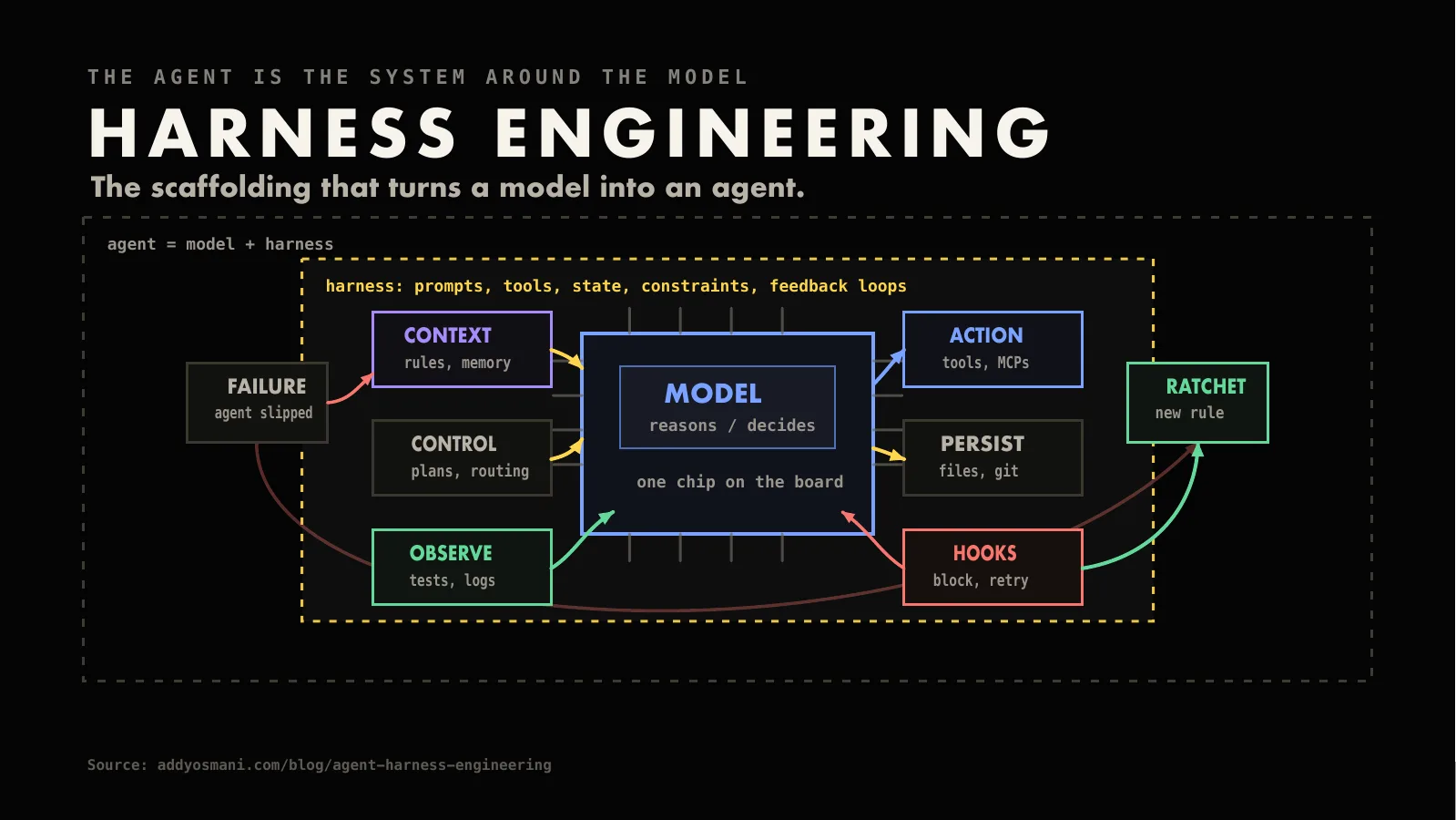
This changes how I frame prompt orchestration and context control:
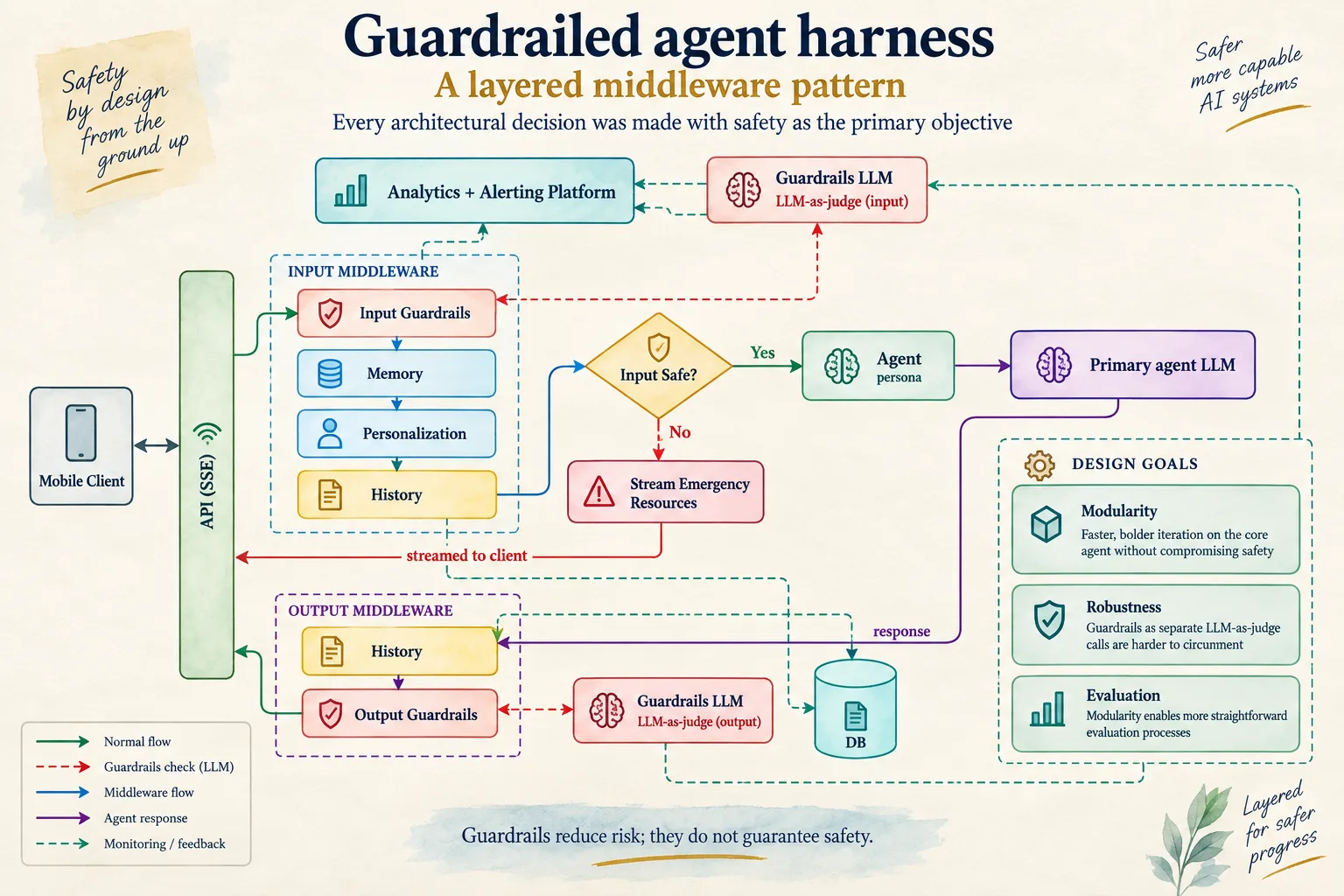
It’s less about “crafting clever prompts,” and more about designing minion-proof tasks with review loops and memory scaffolding.
🔁 Context ≠ RAM
LLMs don’t have expandable memory. You can’t slap on more RAM.
A model interface has a supported context limit, while an application may add retrieval, summaries, or external memory. Those mechanisms do not make the model see every past detail. The current input has to accommodate:
- Read your instructions,
- Understand the task,
- And maybe skim a cheat sheet.
Overload it, and it forgets the beginning or derails halfway through.
✅ Most elegant memory strategies I’ve seen:
- Write a reusable script
- Use external memory (markdown files, vector DBs, etc.)
- Feed only what’s needed for the task at hand
🔎 Code Review: Trust, but verify
LLMs are amazing at writing docs and tests—but dangerously good at faking correctness.
I now review AI-generated code in three dimensions:
- Logic check – Is it sound, or just confident nonsense?
- Intent review – Is it solving the right problem?
- Heuristics scan – Does the test actually verify anything meaningful?
Also: AI is often a better reviewer than a writer.
I now run dual-review in my dev loop—human writes, AI reviews (and vice versa). The cross-pollination helps catch blind spots.
🔀 Prompting ≠ Programming
Prompt engineering is not deterministic.
Even precise prompts won’t guarantee repeatable results.
Outputs can vary with sampling, implementation, and changing context. Deterministic scripts can improve repeatability for specified operations, but a repeatable script can still encode the wrong logic.
You can lower the temperature to reduce randomness, but don’t expect a switchboard. It’s more like giving vague directions to a confident minion and asking them to guess better this time.
✅ My rule of thumb:
Stop chasing “perfect prompts.” Start teaching your agents to write scripts.
Script > magic. Every time.
🎯 Final Takeaway
AI isn’t here to replace people. It’s here to deliver leverage—and leverage multiplies both your precision and your sloppiness.
If your process is brittle, AI will make it worse. If your instructions are vague, it’ll get creative.
You can’t “just add AI” and walk away.
Anyone who does is likely to end up with two problems instead of one.
“AI will take you very far, very fast. Make sure you’re pointed in exactly the right direction.”
That line stuck.
In agent-driven development, our job isn’t to sit back and let the agents work. It’s to design the system that allows them to shine—with clarity, constraints, and repeatable workflows.
Here’s to better orchestration, better minions, and not getting blindsided by an elephant in the living room.

Continue in