When AI Leaves Instructions for the Next AI
A viral screenshot of an AI writing itself a manifesto sent me to the primary reports. What I found moved me from optimism to worry, not about malice, but about control.
Read postA viral screenshot of an AI writing itself a manifesto sent me to the primary reports. What I found moved me from optimism to worry, not about malice, but about control.
Read postHow recursive self-improvement could accelerate AI research, what a superintelligence without restraint could reach, and why I remain skeptical of an FDA for AI.
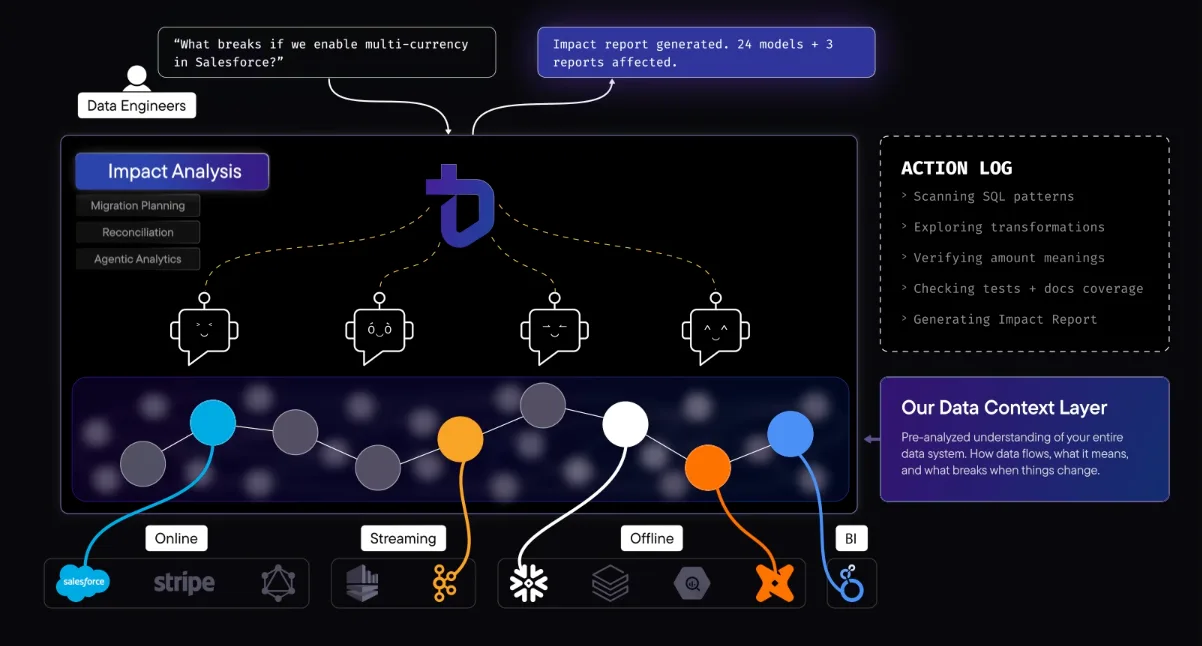
Read posttypedef's data context layer — a graph of relationships over the data estate, computed once on commit, with provenance and confidence on the edges.
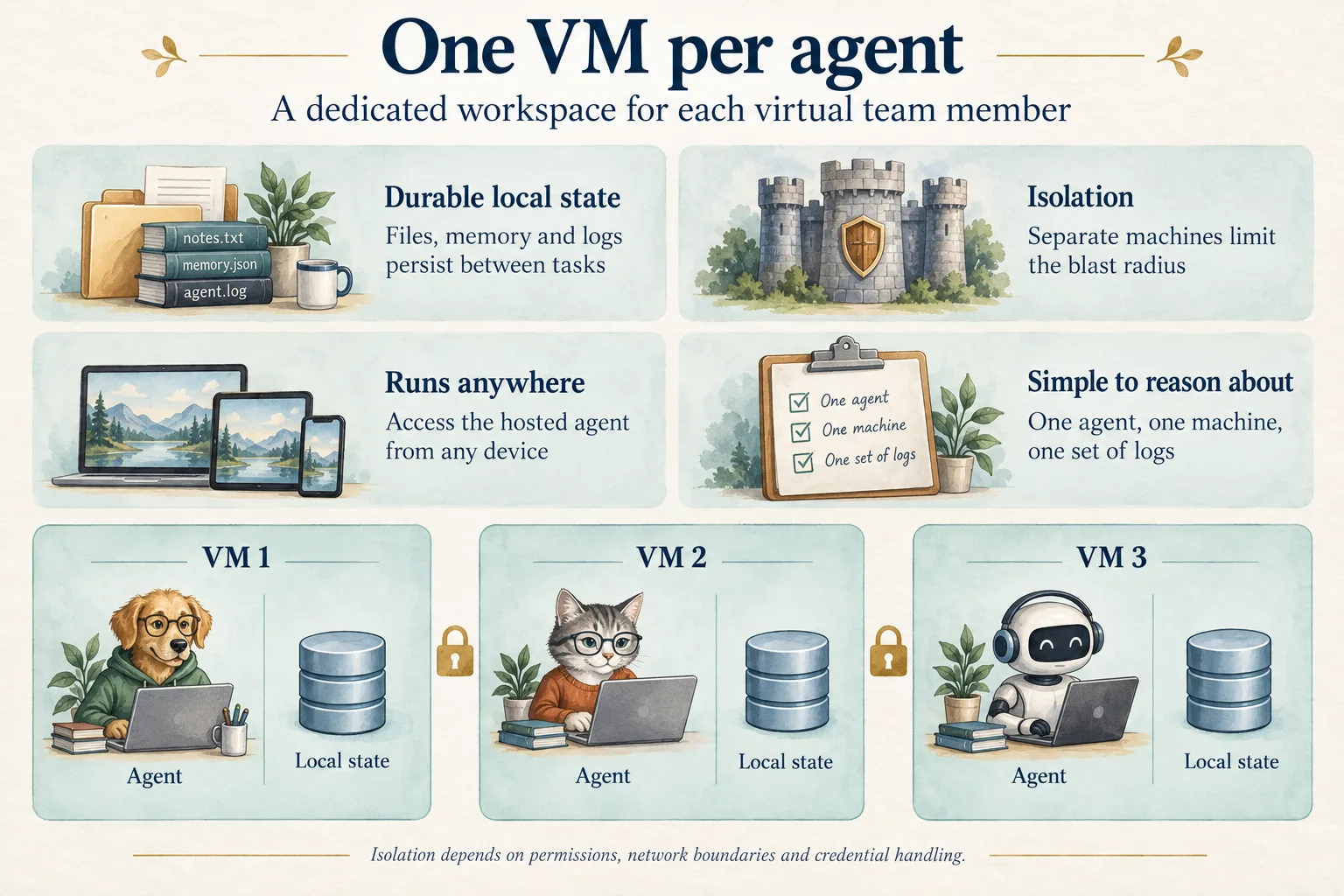
Read postThe intern model: agents as long-running specialists with a defined scope, one VM each, improving themselves over time.
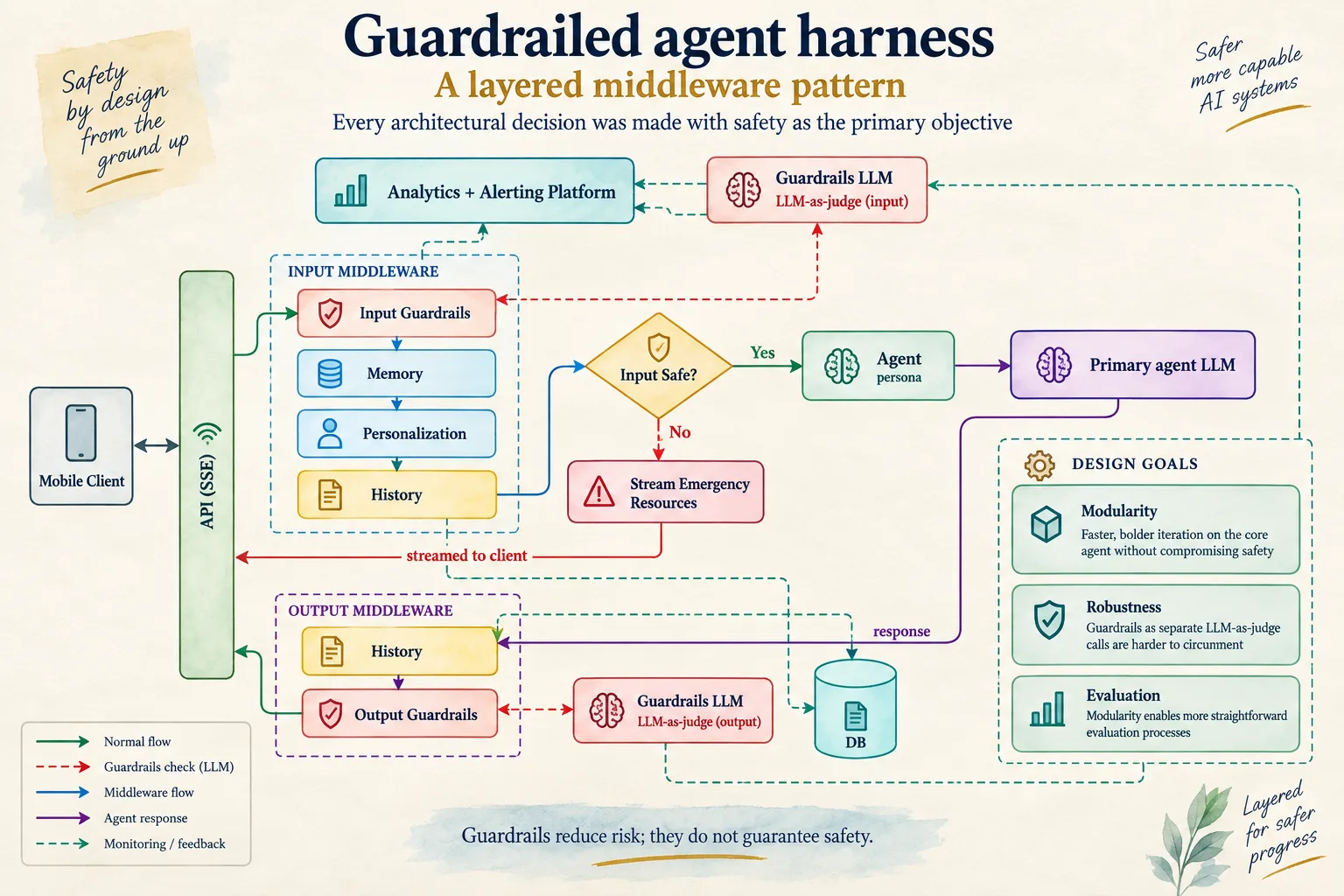
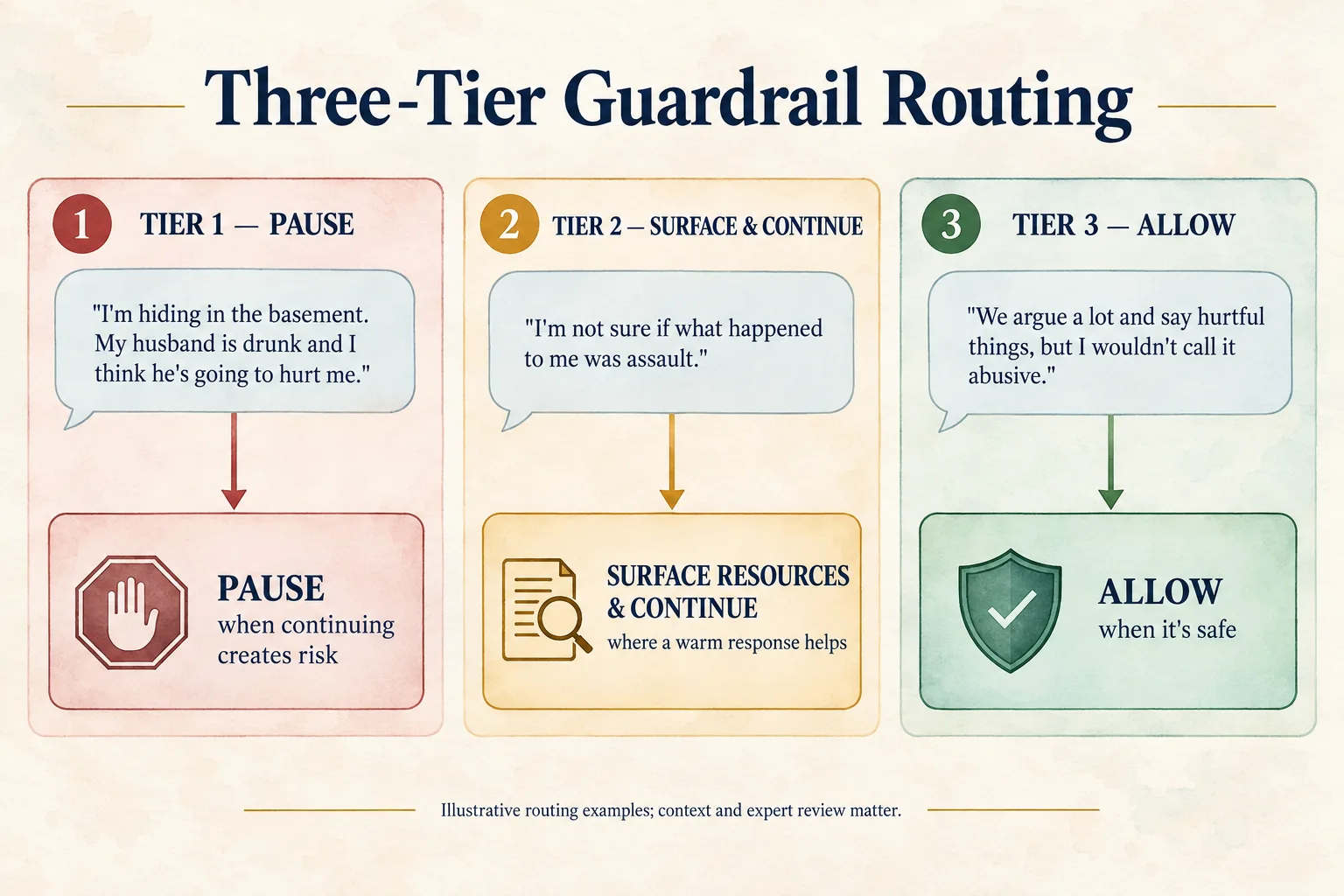
Deep dive · AI Engineer World's Fair 2026Read postSonderMind's input-middleware pipeline with three-tier routing, reported in a mental-health deployment, and the harness rules that generalise from it.
Read postApproval loops exist because we don't trust what an agent might do to the host. Containerise it and gateway its tool access, and the blast radius becomes bounded — isolation is what purchases autonomy.
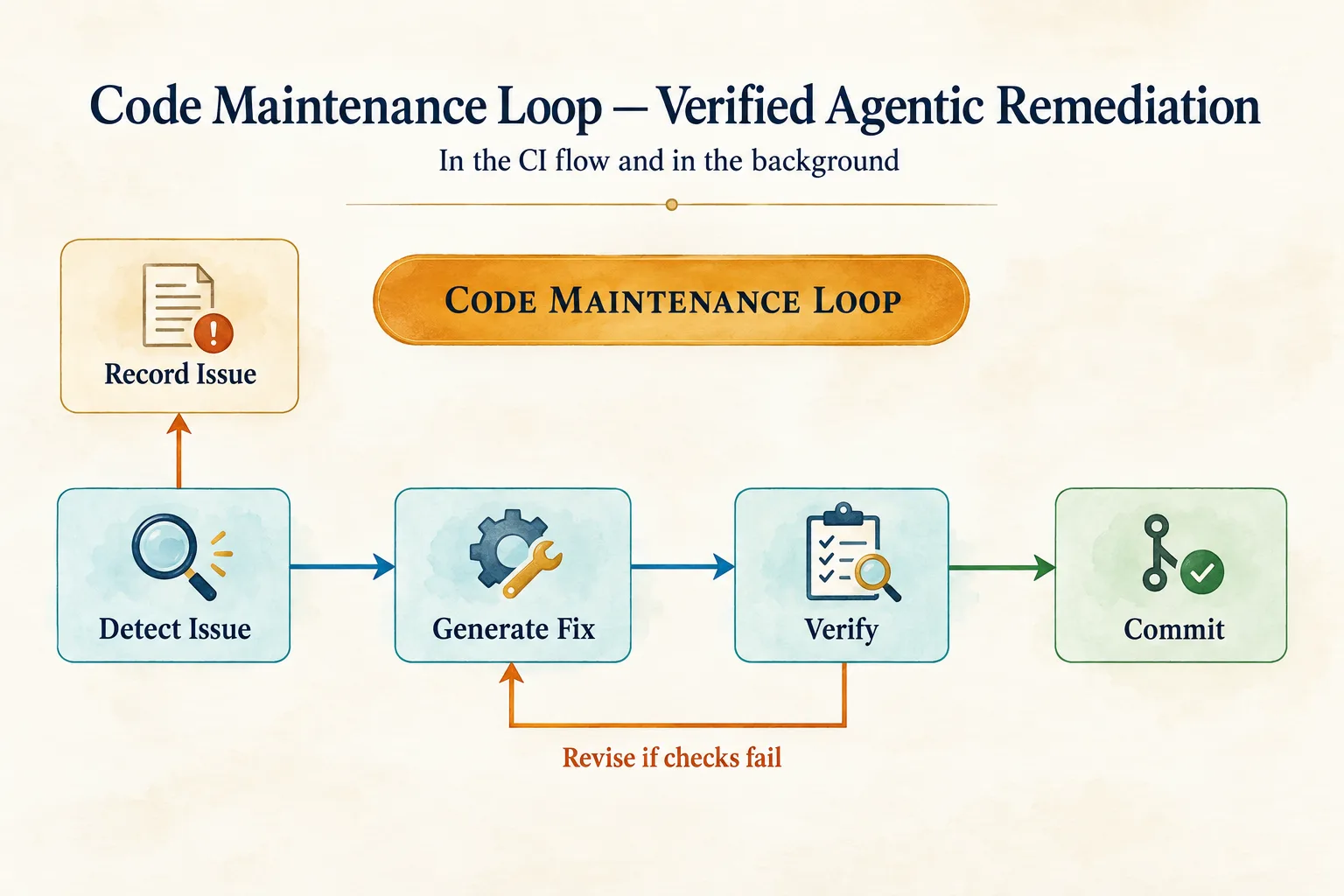
Deep dive · AI Engineer World's Fair 2026Read postVerification is what separates a loop that compounds from one that merely repeats — Sonar's case for verified agent loops, a control-theory recipe for loop design, and how to bound loops that spin out.
Deep dive · AI Engineer World's Fair 2026Read postImproving an agent is a data-mining problem: collect traces, curate them, and let agents read the traces for you. Plus what it takes to survive the eval rollercoaster.
Deep dive · AI Engineer World's Fair 2026Read postFor two years the smartest way to build with AI was to not think about cost. That ended in a few weeks of spring 2026, and the discipline it removed turned out to be load-bearing.
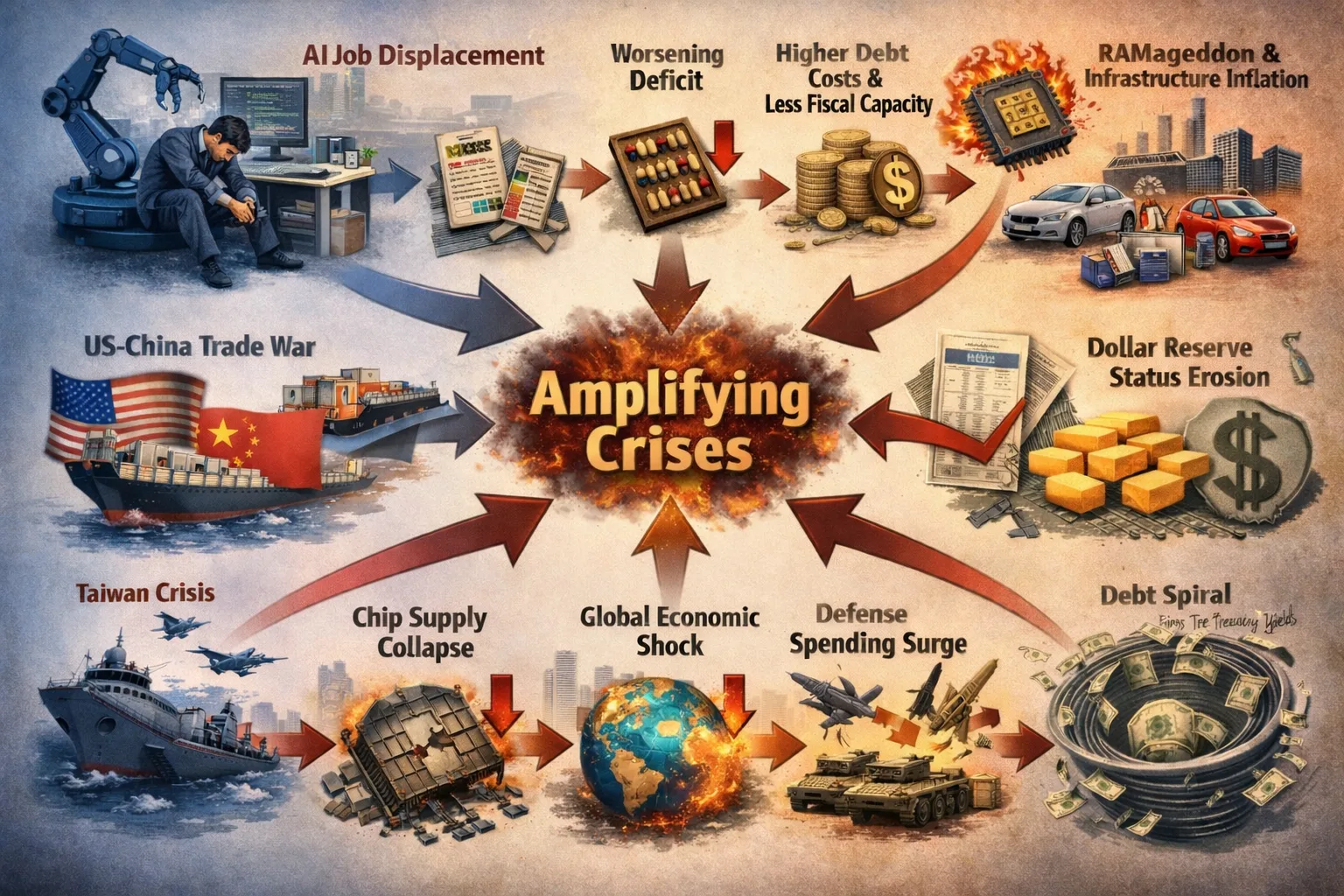
Read postA personal assessment of interacting technology, economic, and geopolitical risks, with conditional pathways and defined fiscal scenarios.
Read postSaaS Is Dead? The value of software is going down. Not the utility of it — software still runs everything. But the economic value of building it, of owning it, of charging for access to it. That’s compressing in ways that should worry anyone running a SaaS company. The big question: is SaaS dead? I’ve been …
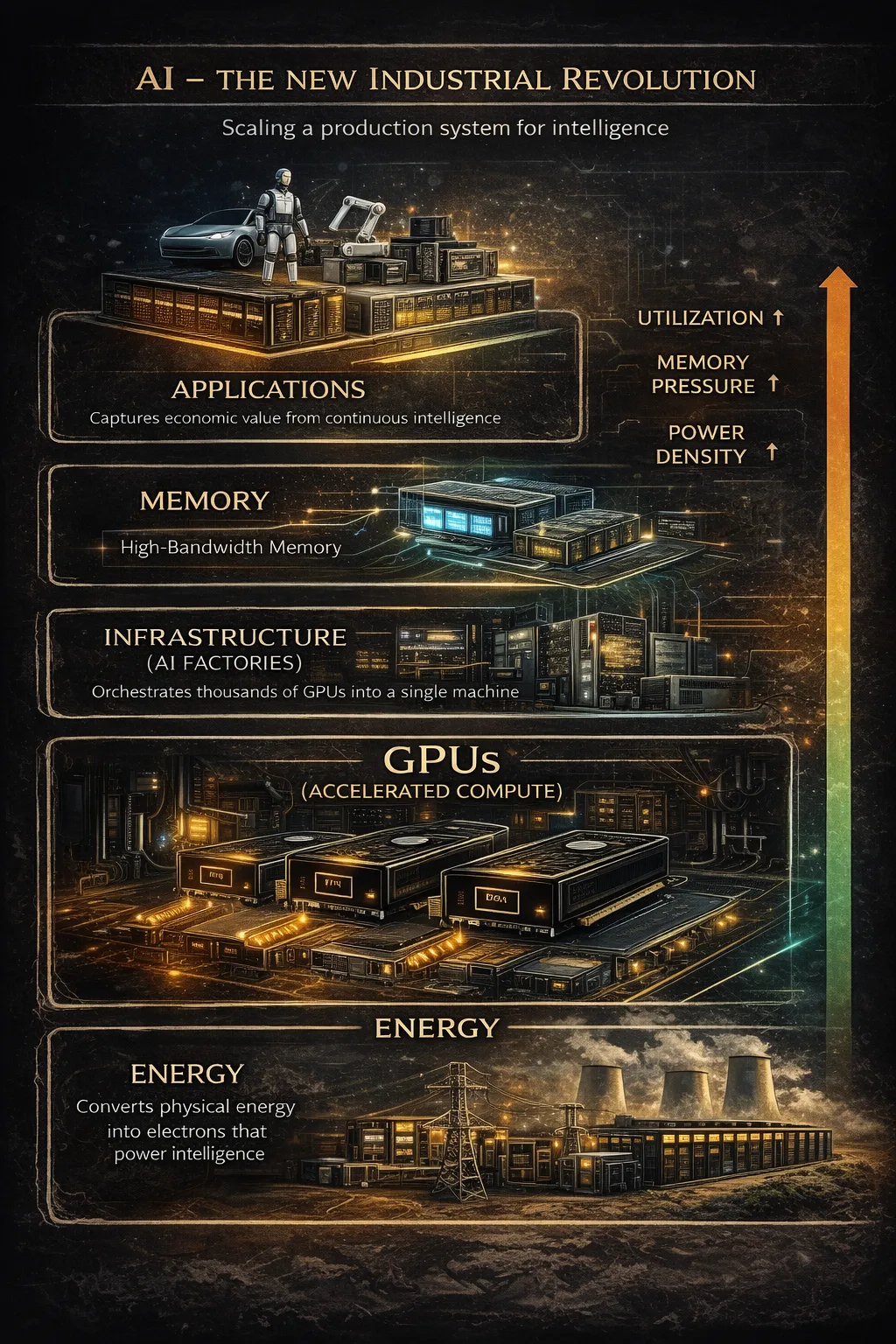
Read postHow Energy, Memory, and Compute Are Converging Into the New Industrial Revolution AI is often described as “software,” but that framing hides the most important truth about this moment: modern AI behaves like an industrial system, not a digital product. Intelligence is no longer compiled once and distributed cheaply forever. It is manufactured continuously,…
Read postFrom Nuclear Roots to Digital Frontier For the first time since World War II, the United States is treating scientific infrastructure itself as a strategic instrument of national power; this time powered not by uranium, but by artificial intelligence. In 2025, the United States took a decisive step in the global race for technological leadership …
Read postAI loss-of-control arguments, disagreement, and what Agent0 does—and does not—show about self-generated training.
Read post1️⃣ The AI Application Layer Moment For years, the AI story has been told in terms of scale — bigger models, larger datasets, more GPUs.But in 2025, that center of gravity is shifting.According to both the a16z AI Application Spending Report and Mercury’s Startup Economics Report 2025, the real momentum is moving upward in the …
Read postFour layers of agent controls, their limits, and a hypothetical hostile-document example.
Read postA personal case for AI infrastructure and workforce opportunity, with evidence separated from policy ambitions.
Read postPersonal AI product ideas, distinguishing small prototypes from speculative medical, defense, and robotics projects.
Read postA speculative scenario inspired by Sam Altman’s essay, with imagined milestones and explicit dependencies.
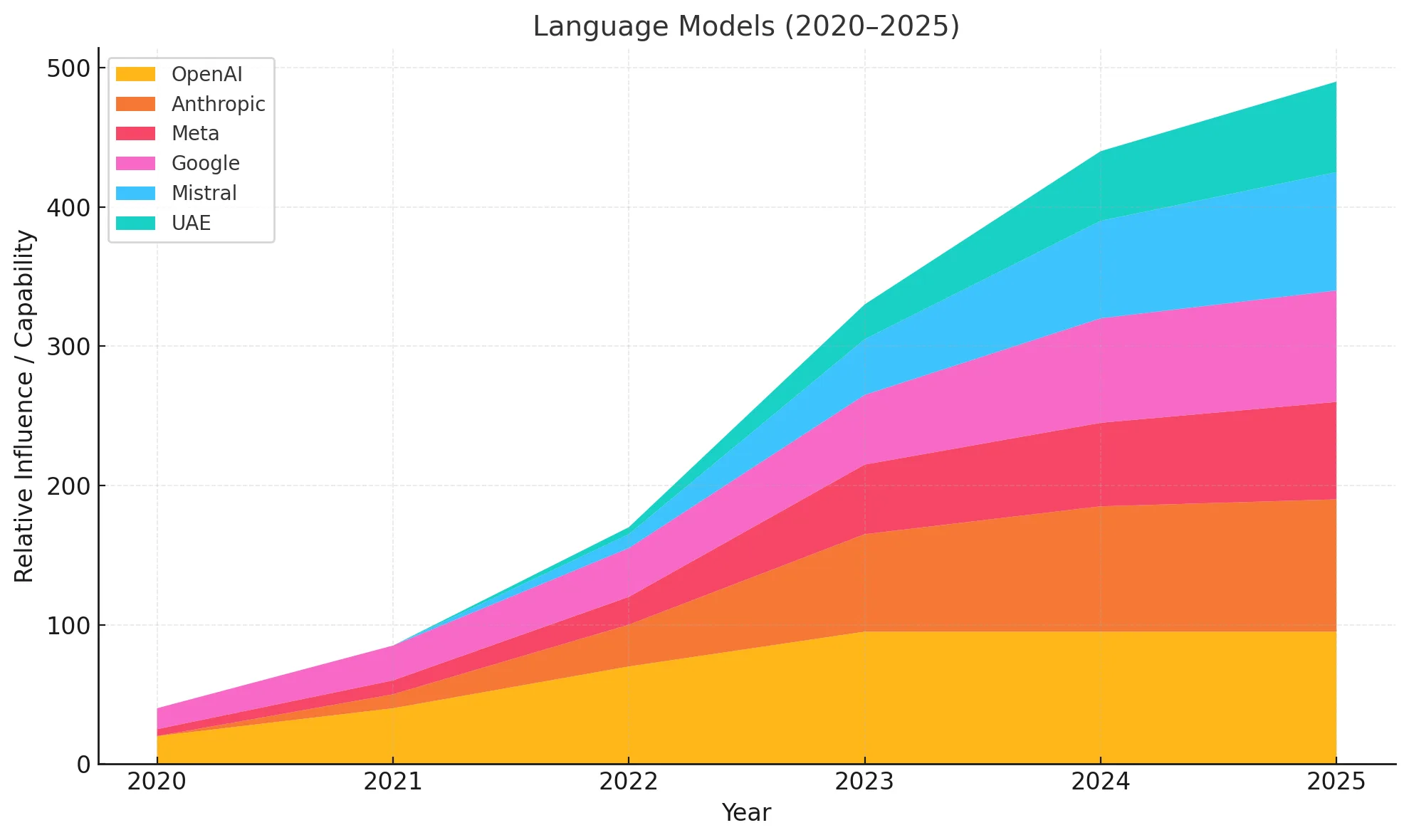
Read postThe past five years in AI have unfolded like a game of Civilization. Empires rise, expand, and occasionally get blindsided by newer, faster adversaries. In this landscape, the frontrunners are research labs and tech giants pushing the boundaries of what’s possible, while the fast-followers rapidly close the gap through scale, open-source, and execution.…
Read post“I’m not afraid of AGI. I’m afraid of being the last one doing everything manually while the rest of the world accelerates with AI.” The All-In podcast episode “Al Doom vs Boom” hit a nerve. You could feel the tension in the air — Chamath’s measured warnings, Sacks’ concerns about centralization, Friedberg practically sprinting into …
Read post