When AI Leaves Instructions for the Next AI
A viral screenshot of an AI writing itself a manifesto sent me to the primary reports. What I found moved me from optimism to worry, not about malice, but about control.
Read the latestJournal

A software engineers journal
Agentic systems · Jul 19, 2025
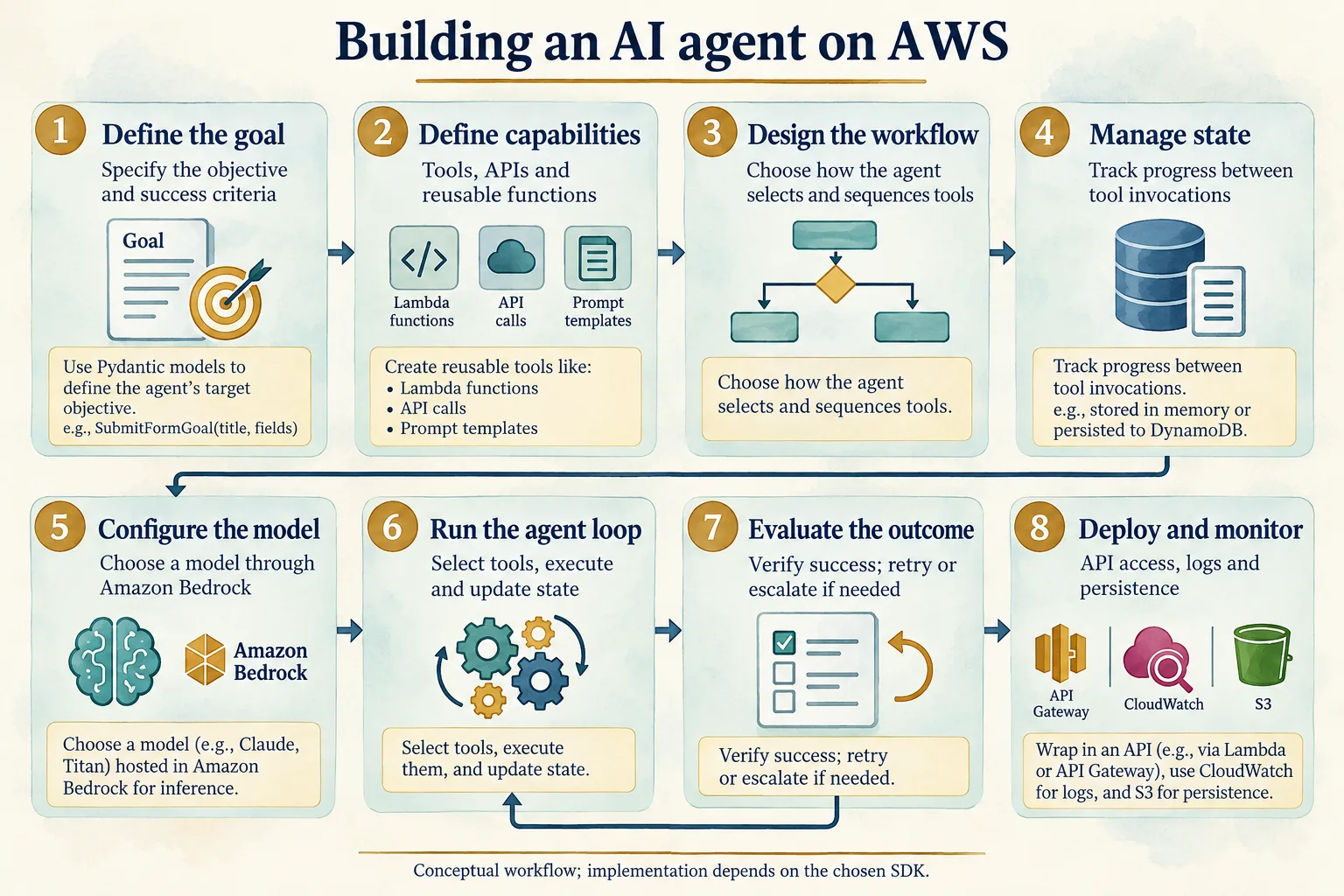
From LangGraph to AgentCore: A Practical Guide to Building Effective AI AgentsRetrieval & context · Jul 27, 2025
Harnessing Vectors and Contextual Retrieval in AI PipelinesProduction architecture · Sep 17, 2025
MLOps Guide – Designing Adaptive and Resilient MLOps PipelinesLatest

A viral screenshot of an AI writing itself a manifesto sent me to the primary reports. What I found moved me from optimism to worry, not about malice, but about control.
Read the latestArchive
How recursive self-improvement could accelerate AI research, what a superintelligence without restraint could reach, and why I remain skeptical of an FDA for AI.
Read postA vision of student-led learning with AI: schools that nurture invention, support community projects, and certify the ability to solve real problems.
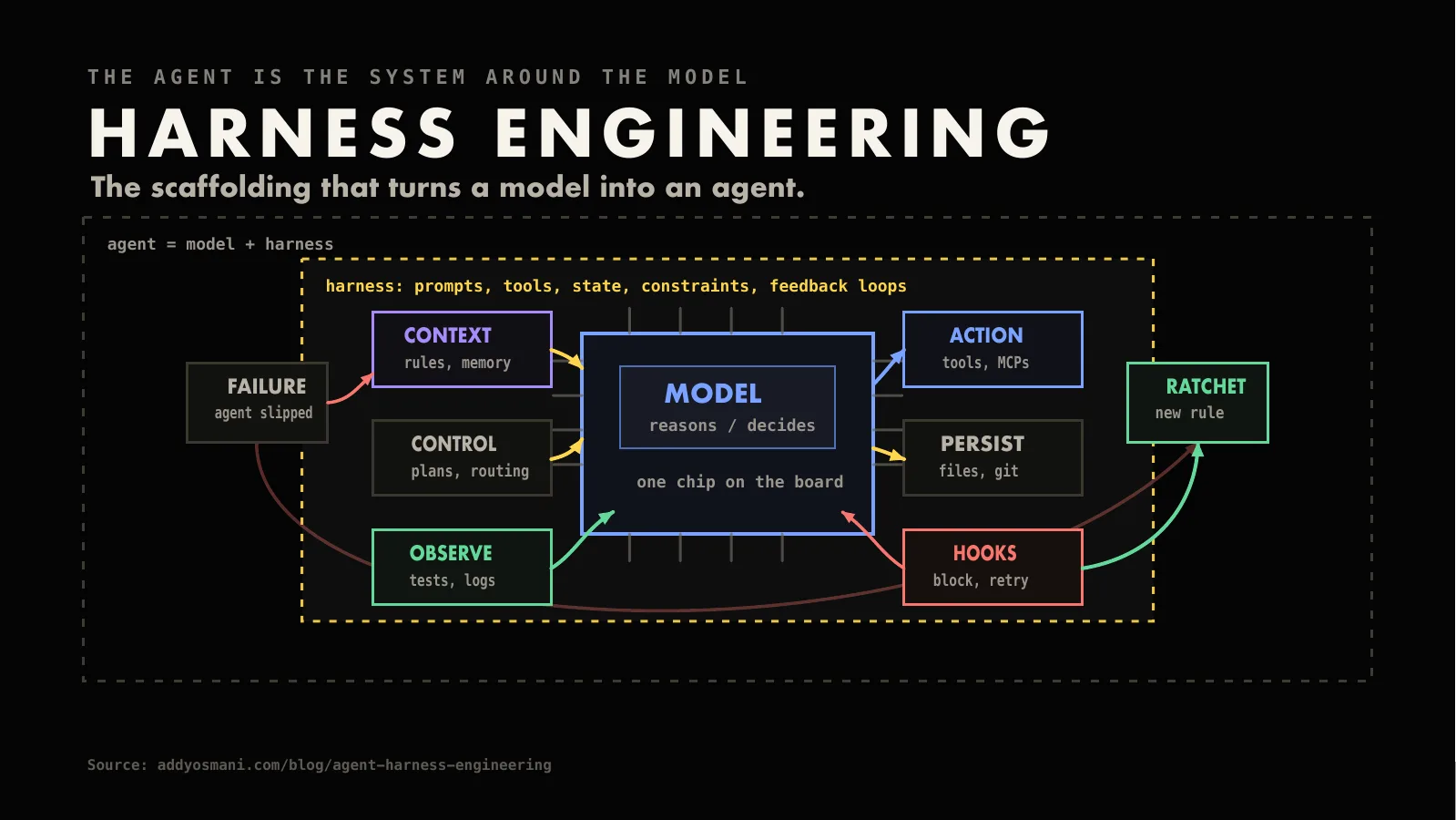
Read postFour days, 300 speakers, 39 tracks. Five themes carried across all of it: harness engineering and software factories, agent loops, evals and observability, the unsettled argument about agent memory, and the shift from burning tokens to proving value.
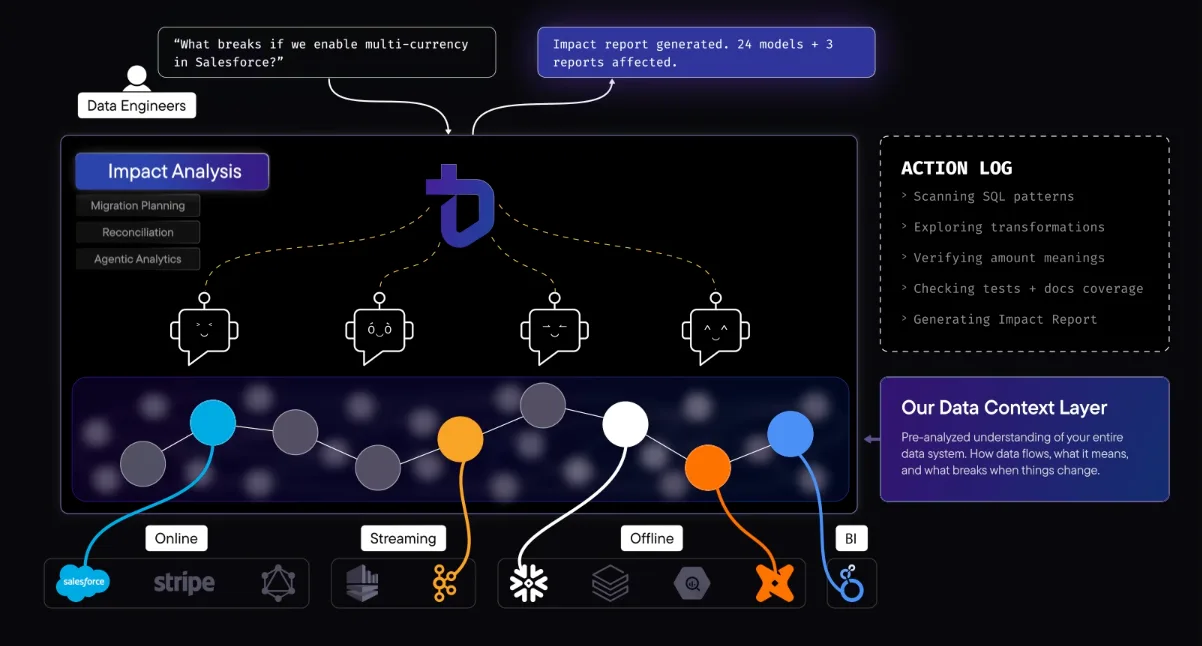
Read posttypedef's data context layer — a graph of relationships over the data estate, computed once on commit, with provenance and confidence on the edges.
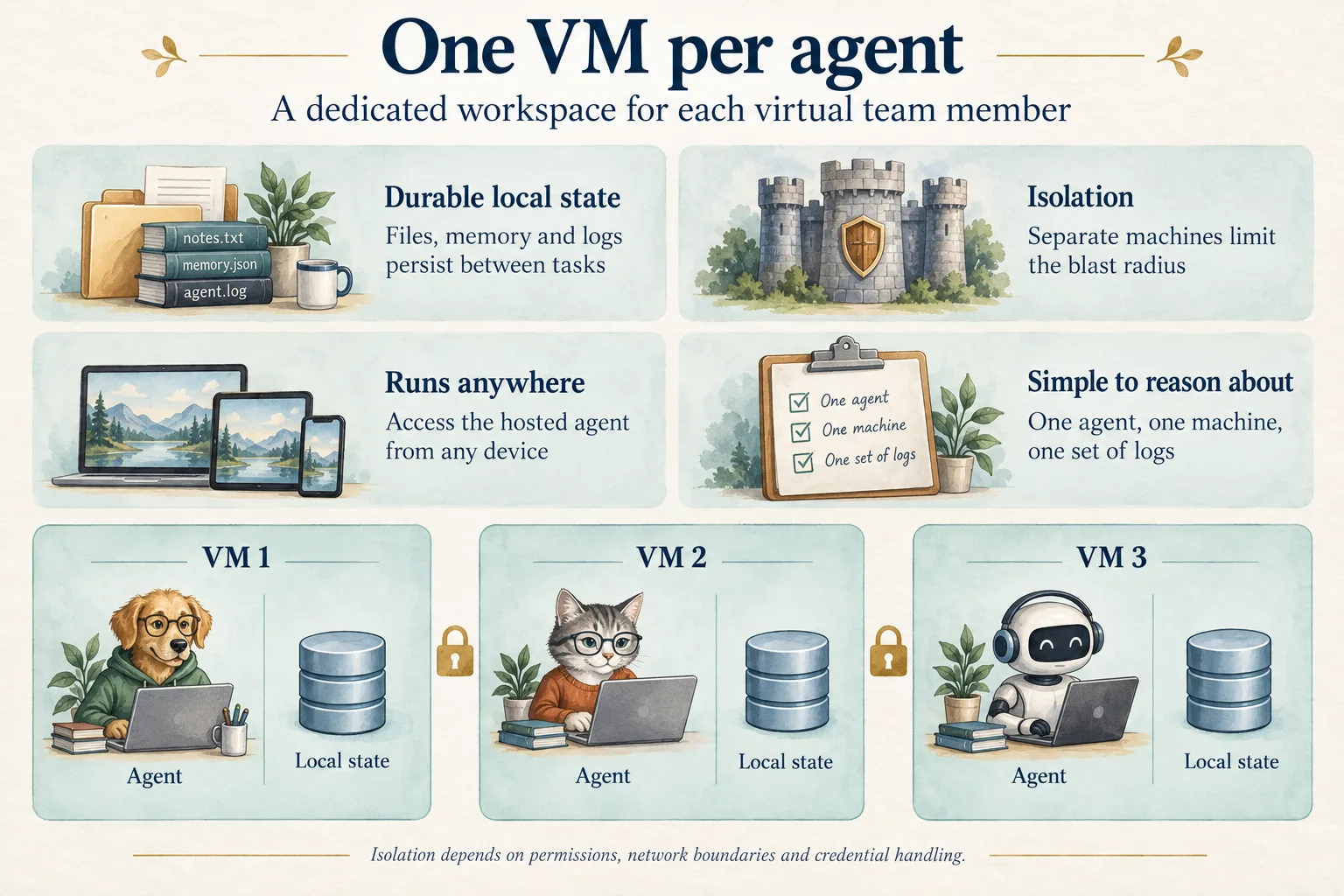
Read postThe intern model: agents as long-running specialists with a defined scope, one VM each, improving themselves over time.
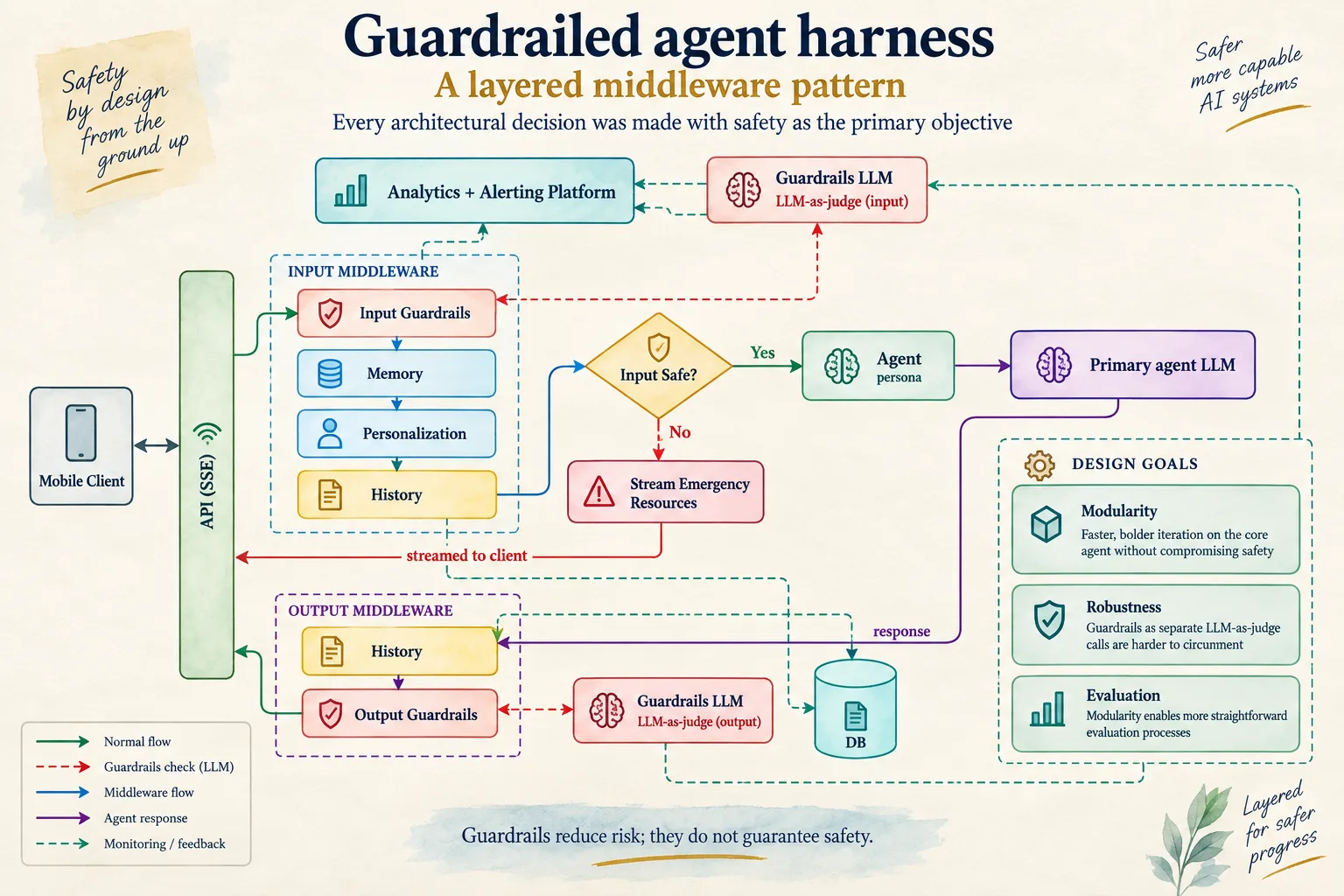
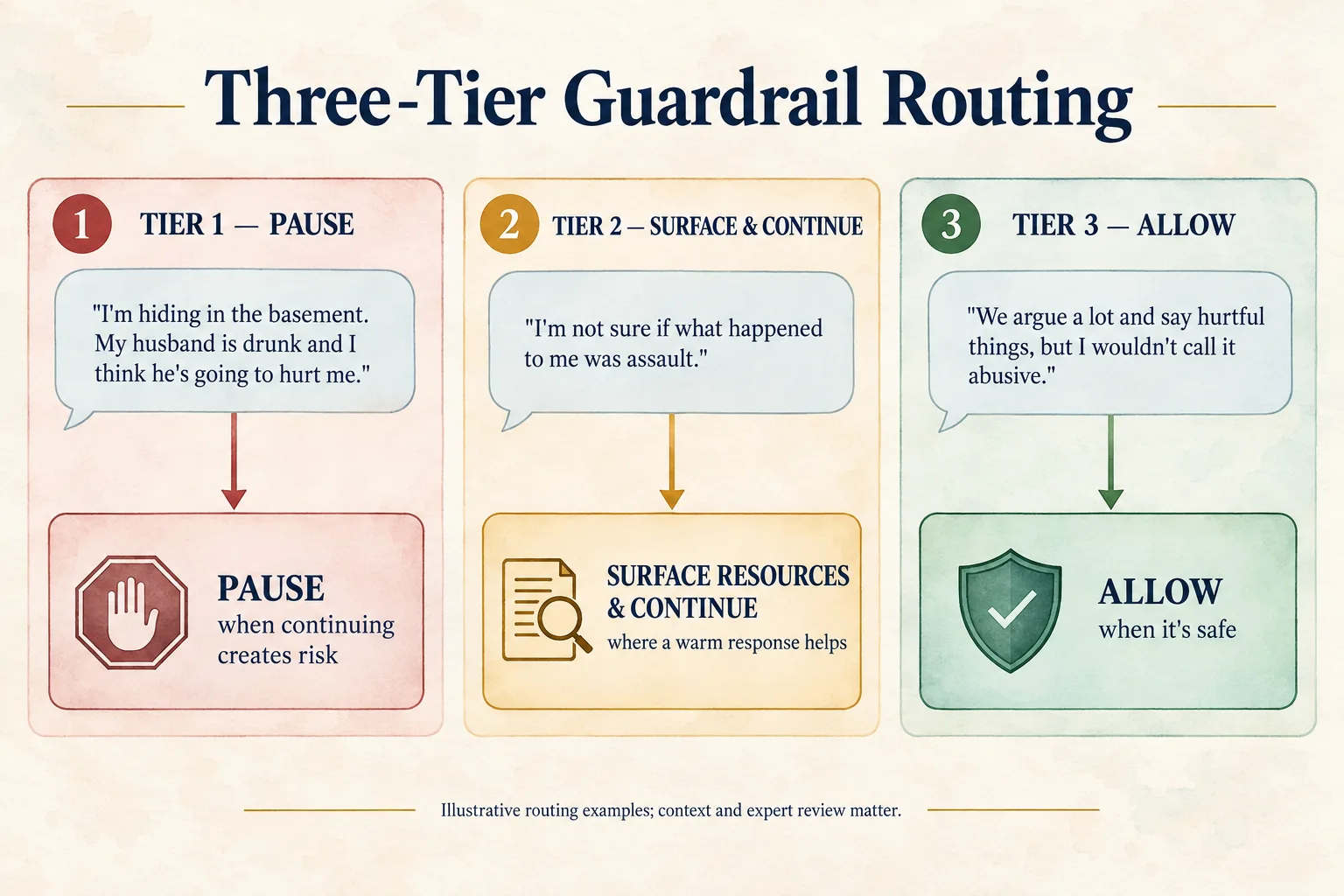
Deep dive · AI Engineer World's Fair 2026Read postSonderMind's input-middleware pipeline with three-tier routing, reported in a mental-health deployment, and the harness rules that generalise from it.
Read postApproval loops exist because we don't trust what an agent might do to the host. Containerise it and gateway its tool access, and the blast radius becomes bounded — isolation is what purchases autonomy.
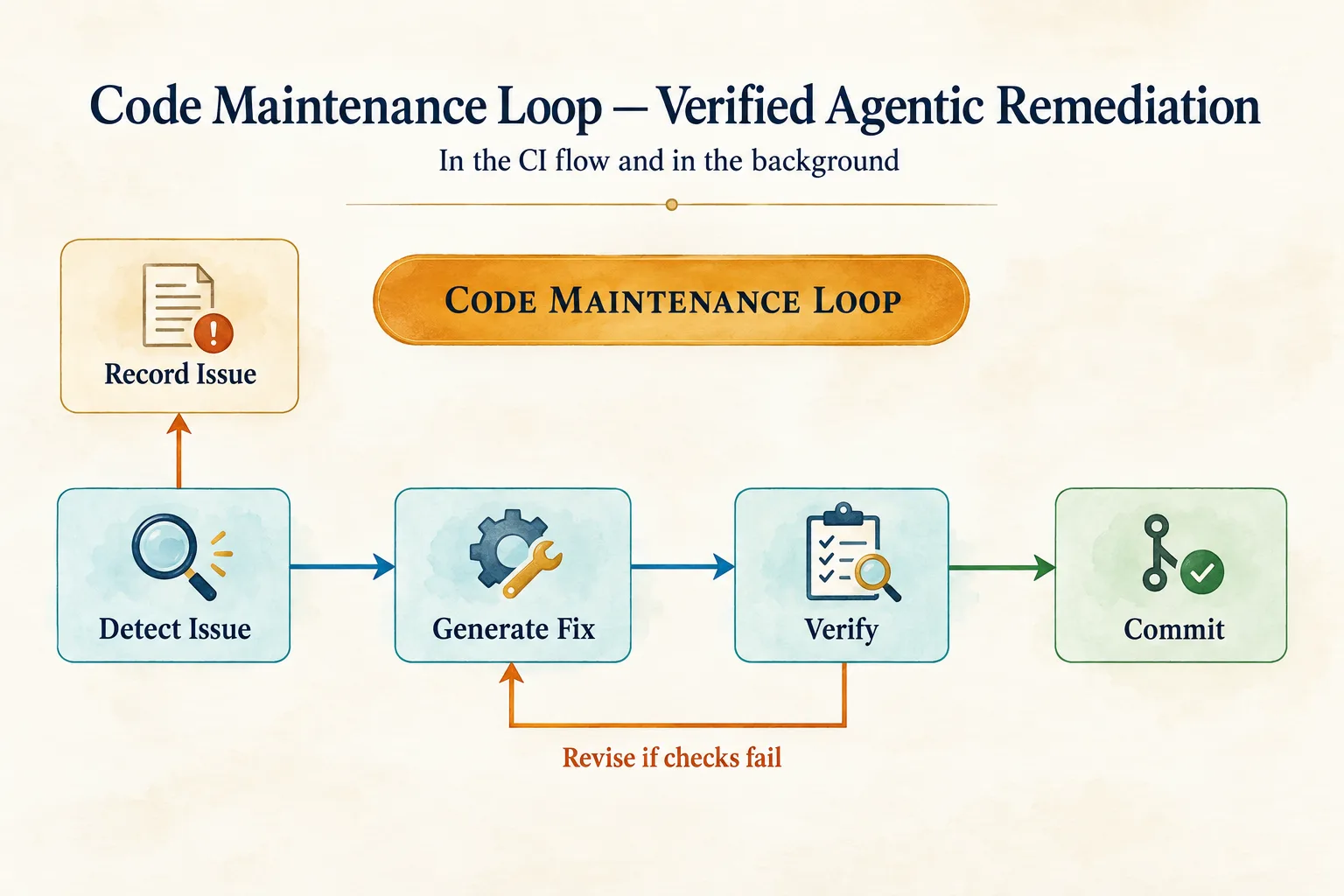
Deep dive · AI Engineer World's Fair 2026Read postVerification is what separates a loop that compounds from one that merely repeats — Sonar's case for verified agent loops, a control-theory recipe for loop design, and how to bound loops that spin out.
Deep dive · AI Engineer World's Fair 2026Read postImproving an agent is a data-mining problem: collect traces, curate them, and let agents read the traces for you. Plus what it takes to survive the eval rollercoaster.
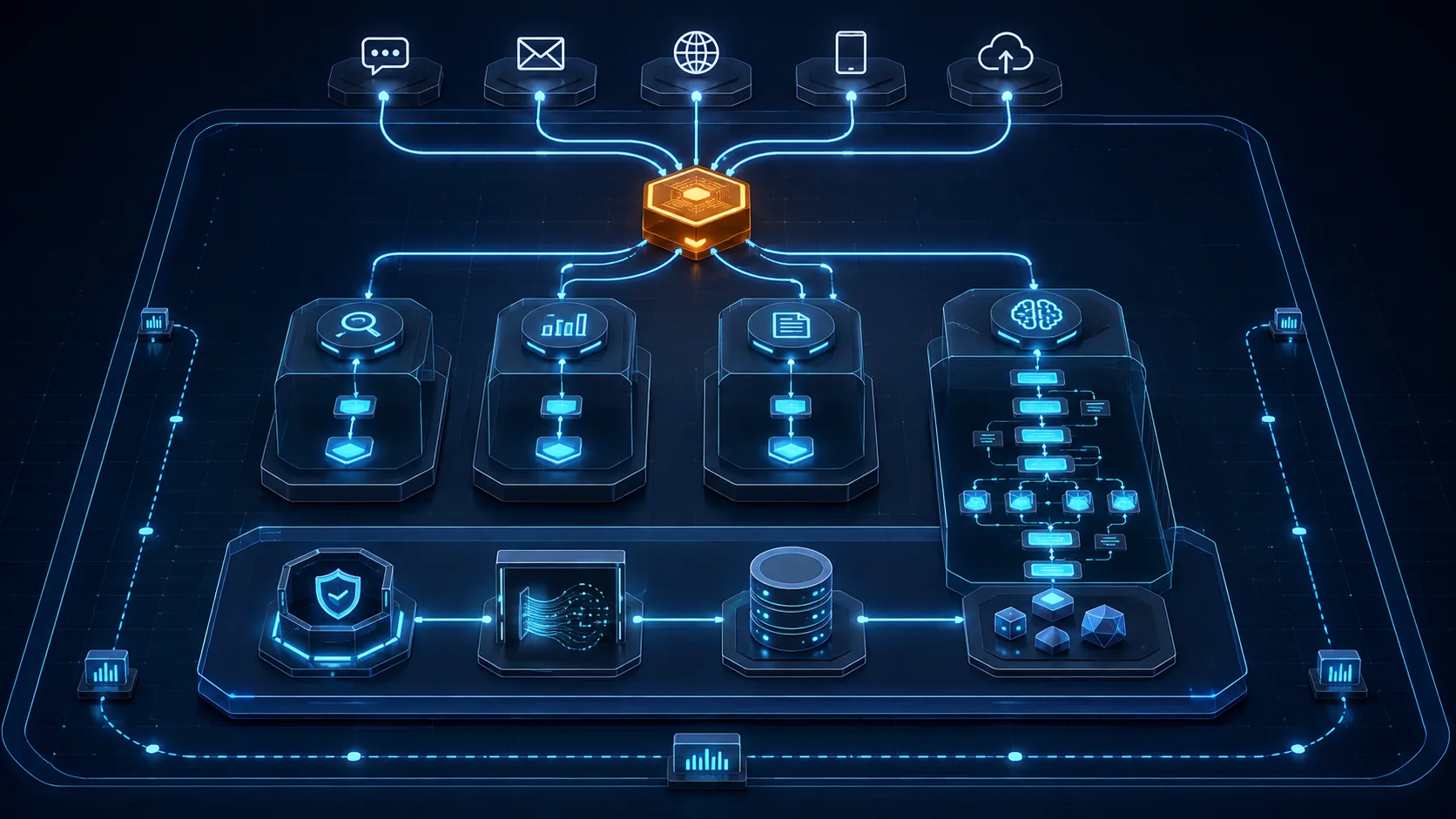
Deep dive · AI Engineer World's Fair 2026Read postRouting requests to the right specialist and executing each as a multi-step agentic task are two different jobs. This reference design treats the responsibilities separately.
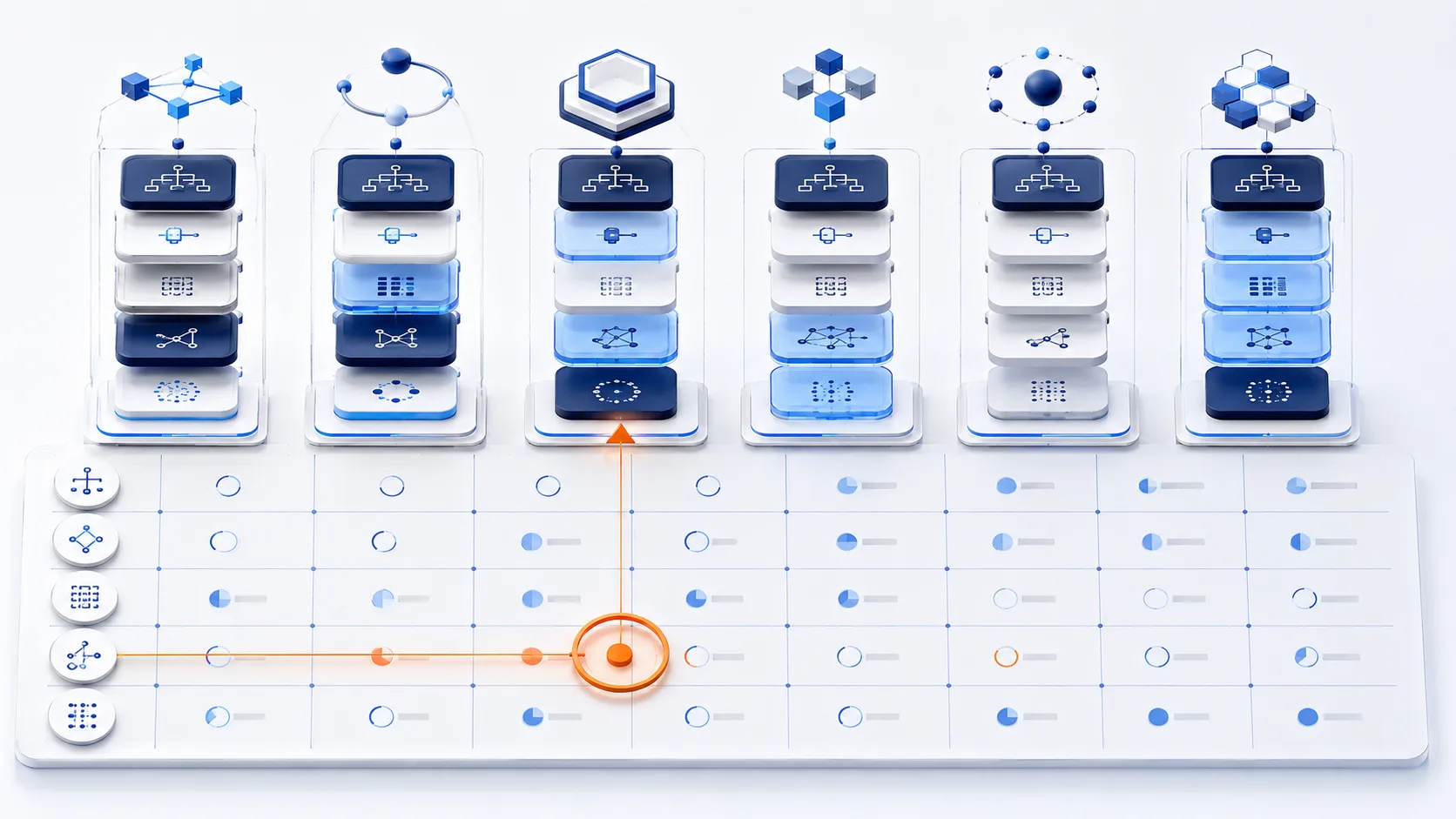
Read postA feature-by-feature comparison of LangGraph, LangChain, CrewAI, AWS Strands, Google ADK and deepagents, built as a decision matrix you can weight against your own needs.
Read postRouting only pays off if the application survives the swaps. What it takes to move between models without rewriting logic or shipping silent regressions.
Read postSending each request to the cheapest model that can actually handle it is a potential cost lever — and done well it improves quality at the same time.
Read postFor two years the smartest way to build with AI was to not think about cost. That ended in a few weeks of spring 2026, and the discipline it removed turned out to be load-bearing.
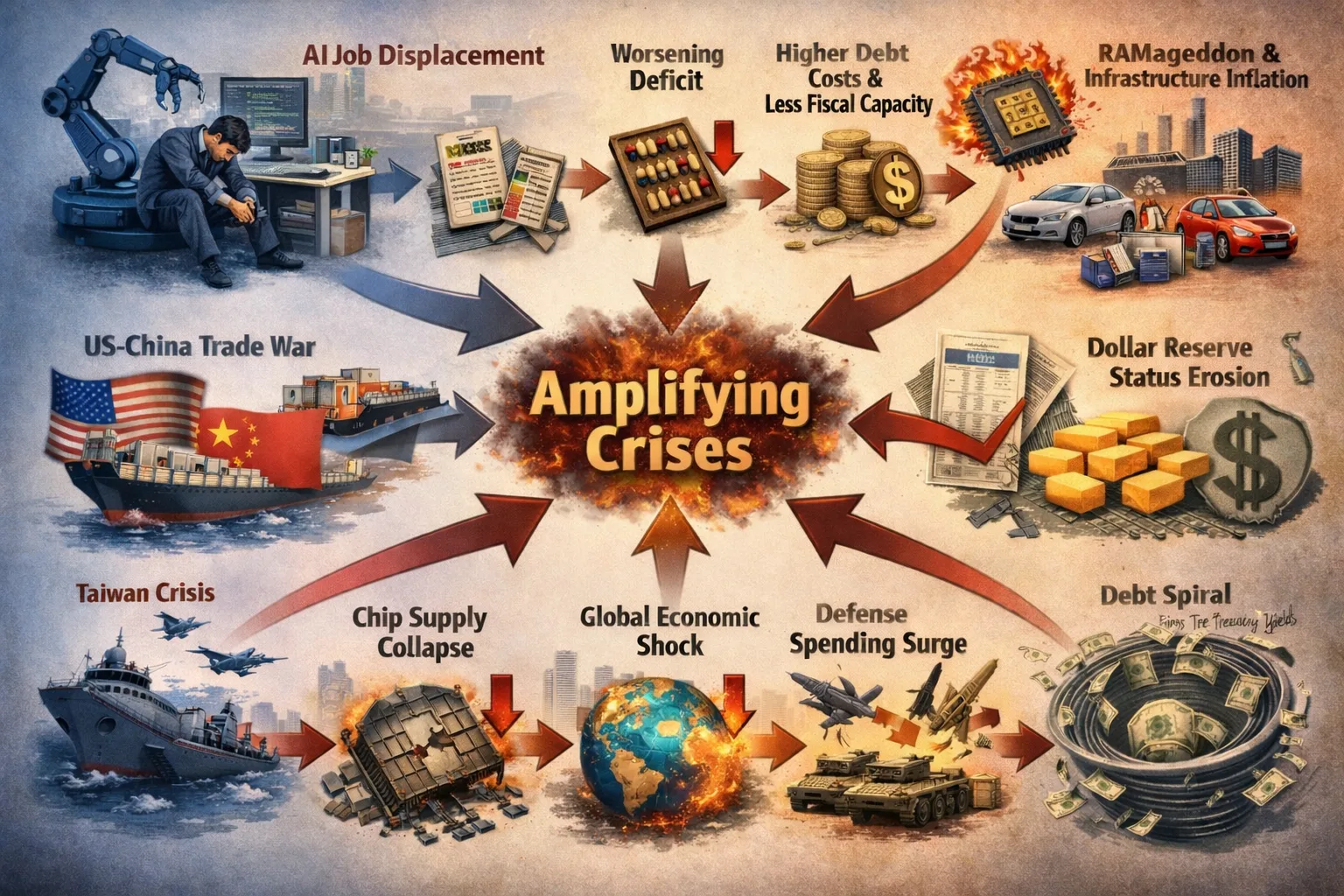
Read postA personal assessment of interacting technology, economic, and geopolitical risks, with conditional pathways and defined fiscal scenarios.
Read postSaaS Is Dead? The value of software is going down. Not the utility of it — software still runs everything. But the economic value of building it, of owning it, of charging for access to it. That’s compressing in ways that should worry anyone running a SaaS company. The big question: is SaaS dead? I’ve been …
Read postDisruption, Delay, and What Comes Next In early 2025, something quietly unsettling happened in the job market; and then it started happening loudly. U.S. employers announced roughly 1.2 million job cuts in 2025, with layoffs accelerating into the new year, particularly across technology, logistics, and corporate support functions (LinkedIn News, WSJ). By…
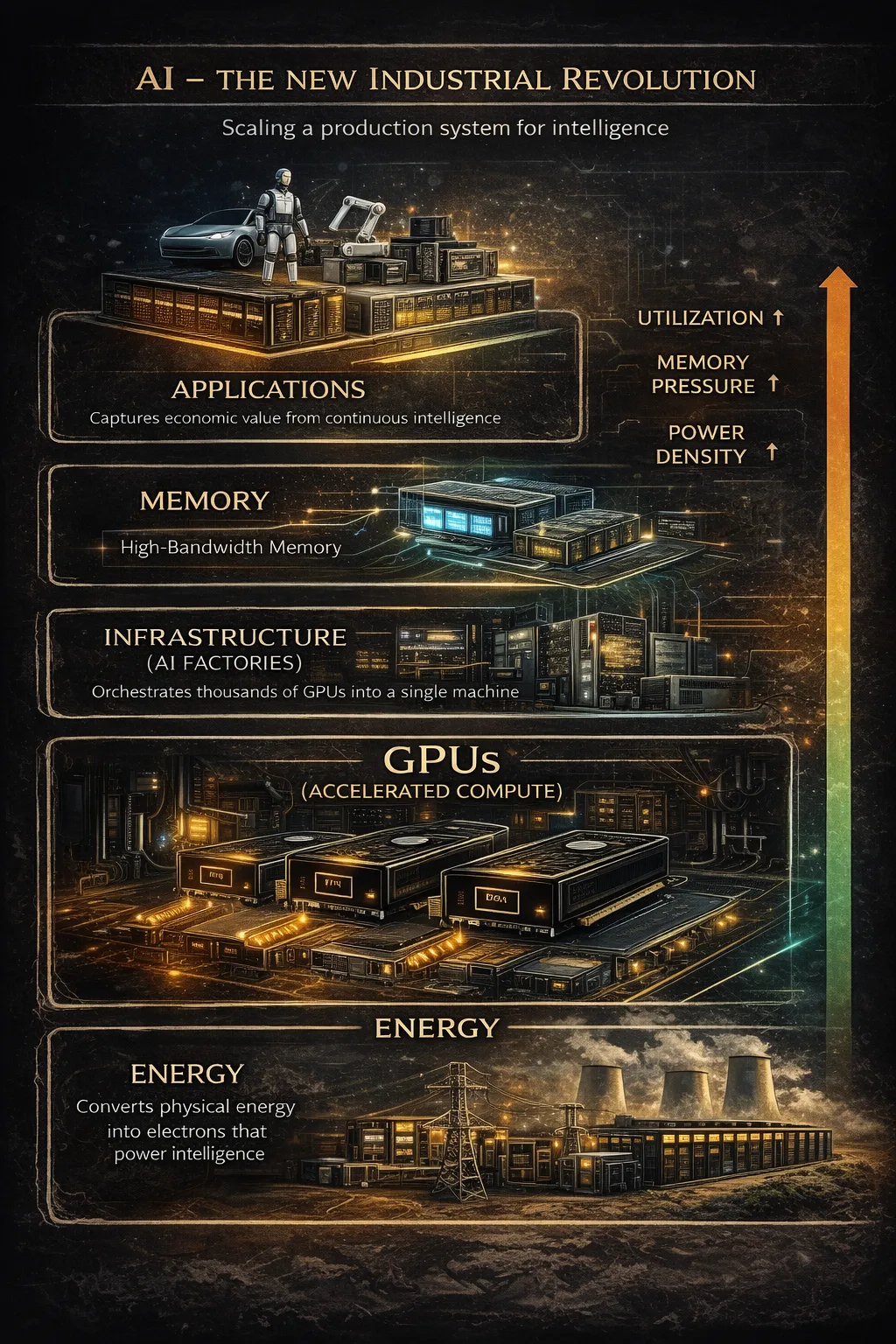
Read postHow Energy, Memory, and Compute Are Converging Into the New Industrial Revolution AI is often described as “software,” but that framing hides the most important truth about this moment: modern AI behaves like an industrial system, not a digital product. Intelligence is no longer compiled once and distributed cheaply forever. It is manufactured continuously,…
Read postFrom Nuclear Roots to Digital Frontier For the first time since World War II, the United States is treating scientific infrastructure itself as a strategic instrument of national power; this time powered not by uranium, but by artificial intelligence. In 2025, the United States took a decisive step in the global race for technological leadership …
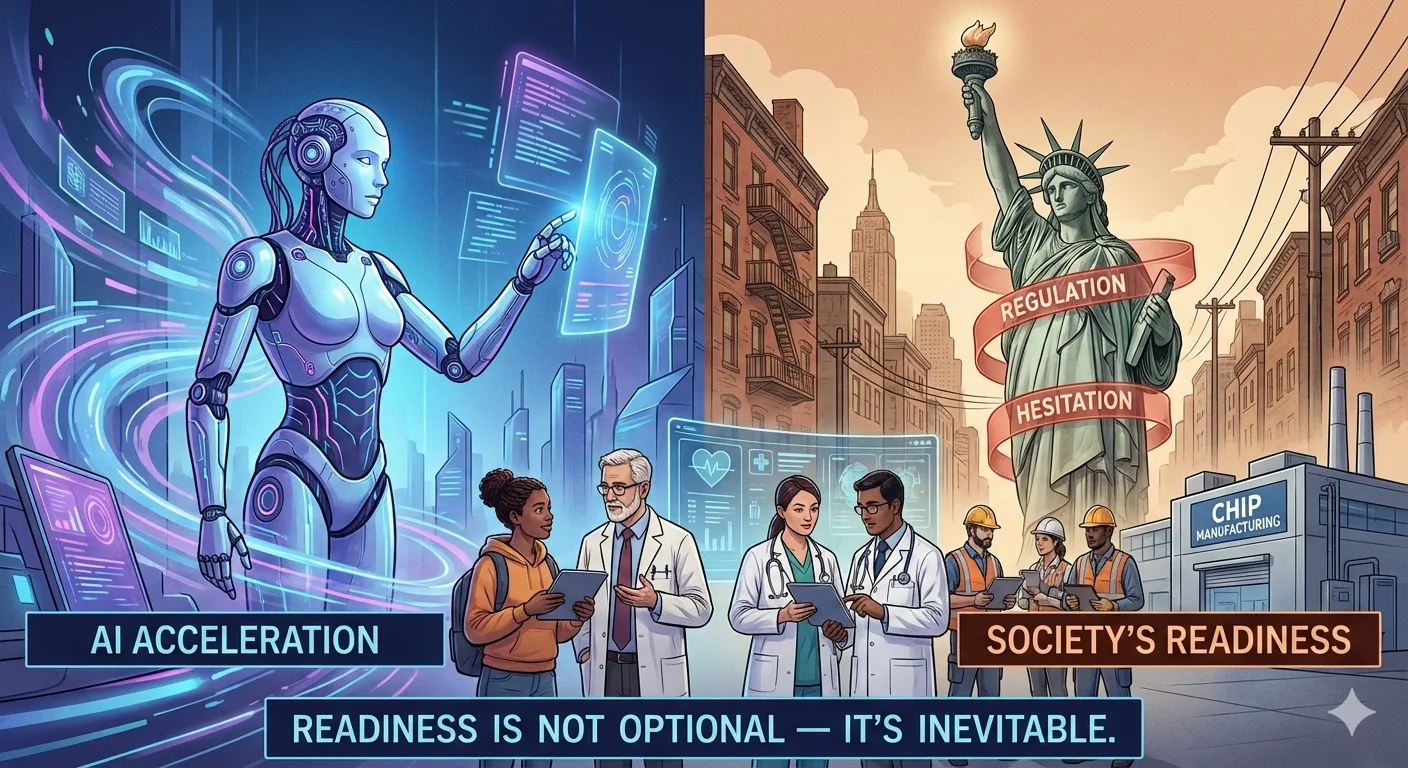
Read postAI Is Already Here. We’re Still Arguing About Whether to Let It In. AI did not ask for permission. It has already reshaped how people learn, diagnose illness, consume electricity, manufacture critical technology, and think about their own jobs. This is happening whether institutions approve of it or not. The real issue is not how …
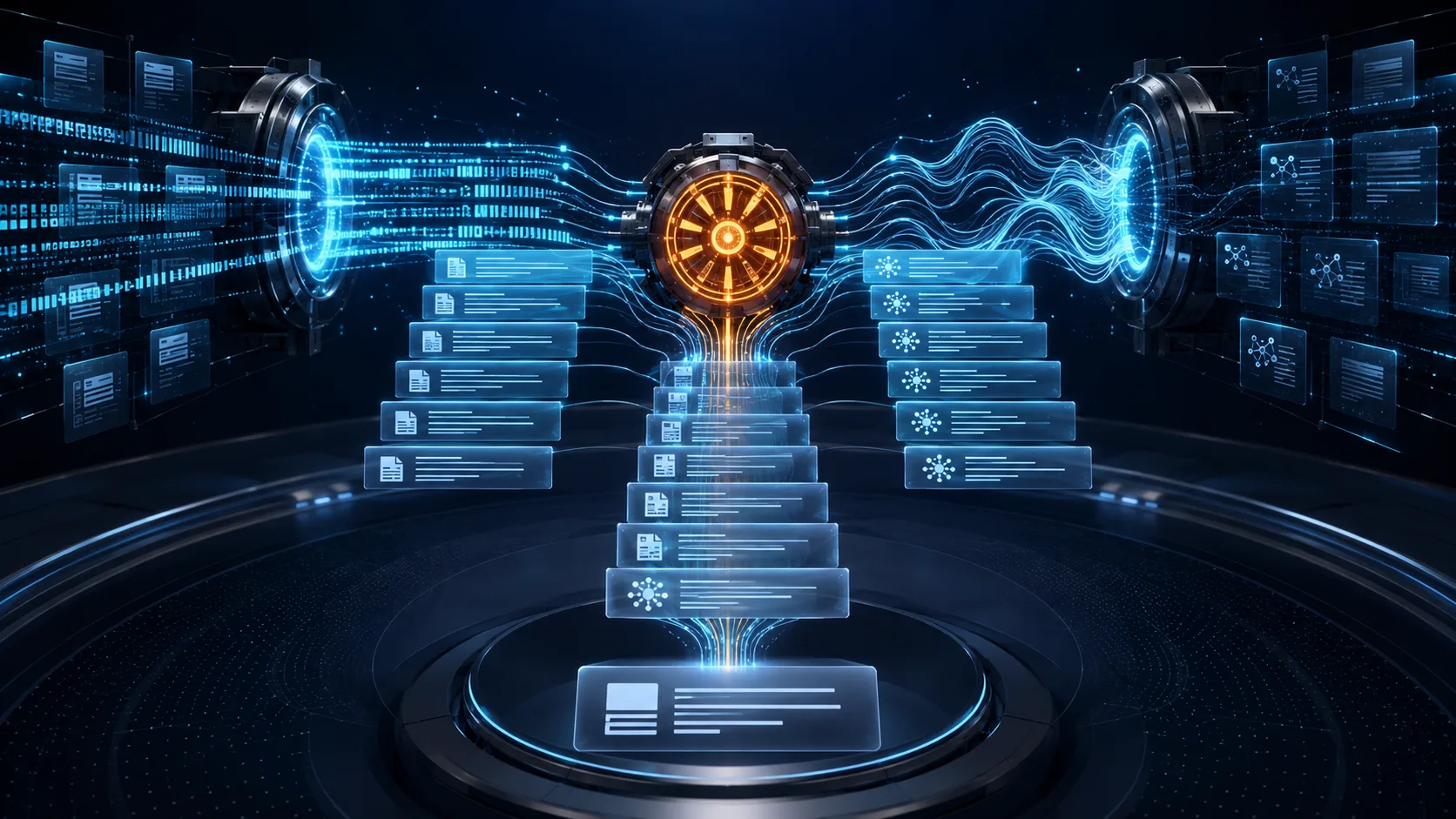
Read postAI loss-of-control arguments, disagreement, and what Agent0 does—and does not—show about self-generated training.
Read postHow adding document context to chunks can improve retrieval, what Anthropic actually measured, and how to evaluate the tradeoffs.
Read postCombine lexical and vector rankings while preserving source content; an executable fusion example and explicit evaluation boundaries.
Read postA practical introduction to retrieval-augmented generation: how evidence reaches a model, how it can fail, and what to check.
Read postClinical AI, drug discovery, and brain interfaces: distinguish workflow benefits, research results, and regulatory milestones.
Read postA builder’s goodbye In 2022, AWS set out to solve one of the hardest problems in software delivery — unifying the fragmented developer experience that spanned CodeCommit, CodeBuild, CodePipeline, and half a dozen other services. The answer we built was Amazon CodeCatalyst: a cloud-native platform designed to bring every step of the software…

Read postThe Circle in Motion There’s a strange rhythm to how humans and machines evolve together — a circular motion, an endless “you move, I counter” dance.Every time AI introduces a new capability, humans instinctively look for its blind spots. Then AI patches those holes, and the game resets. It’s not linear progress; it’s a loop …
Read postA historical qualitative guide to agent libraries, platforms, and runtimes, with corrected portability and product categories.
Read post1️⃣ The AI Application Layer Moment For years, the AI story has been told in terms of scale — bigger models, larger datasets, more GPUs.But in 2025, that center of gravity is shifting.According to both the a16z AI Application Spending Report and Mercury’s Startup Economics Report 2025, the real momentum is moving upward in the …
Read postFour layers of agent controls, their limits, and a hypothetical hostile-document example.
Read postModular by default, governed by design, and ready to evolve. “Rigid pipelines break with change. Adaptive pipelines learn from it.” 🧭 This article is part of the series:Part 1 – From Model Development to Scalable, Compliant OperationsPart 2 – Building an MLOps Pipeline Step-by-StepPart 3 – Designing Adaptive and Resilient MLOps Pipelines Why Adaptability…
Read post“A model pipeline isn’t just infrastructure — it’s the living process that lets learning continue long after training ends.” 🧭 This article is part of the series:Part 1 – From Model Development to Scalable, Compliant OperationsPart 2 – Building an MLOps Pipeline Step-by-StepPart 3 – Designing Adaptive and Resilient MLOps Pipelines Why Pipelines Matter…

Read post“MLOps isn’t just a process—it’s a philosophy of continuous learning and governance across the entire model lifecycle.” In this guide, I explore how modern MLOps architectures evolve from experimentation to enterprise scale, blending the rigor of DevOps, the agility of DataOps, and the governance of AI Risk Management Frameworks.We’ll progressively zoom…
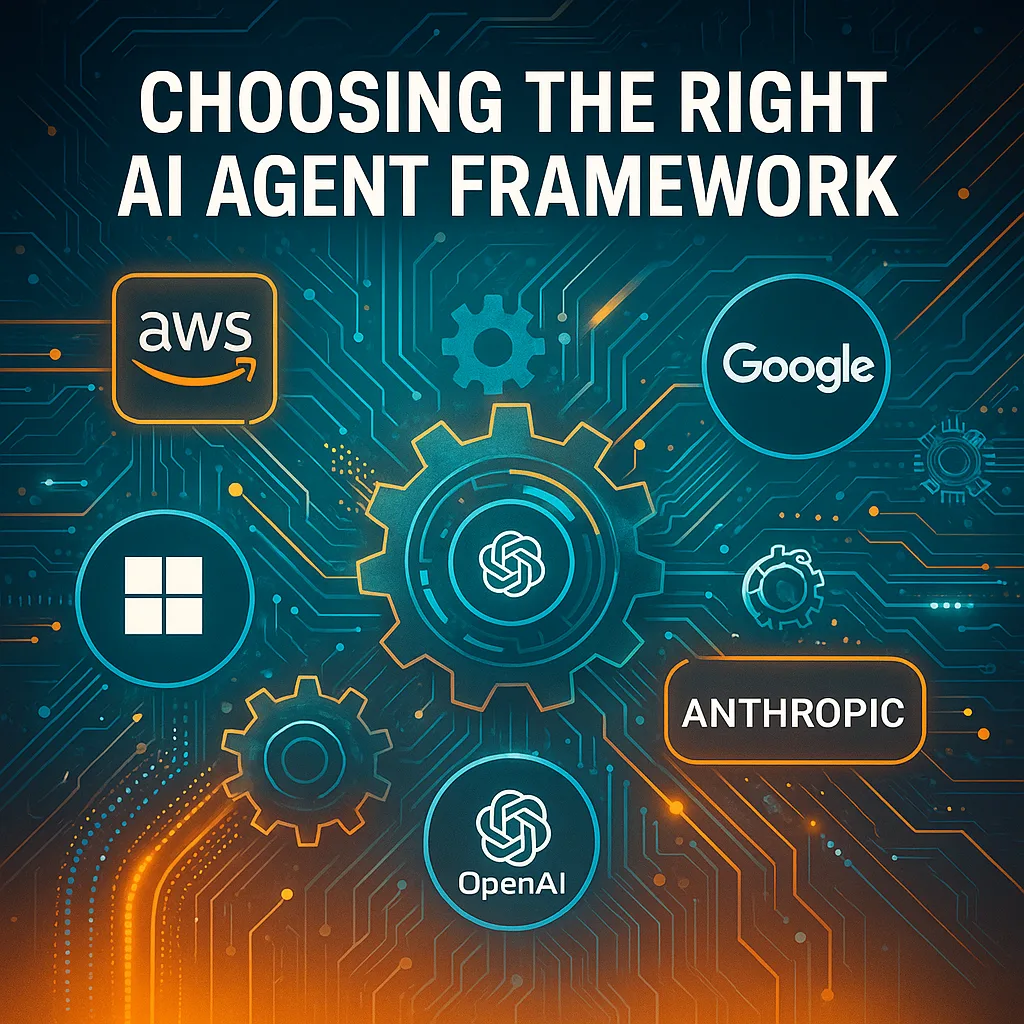
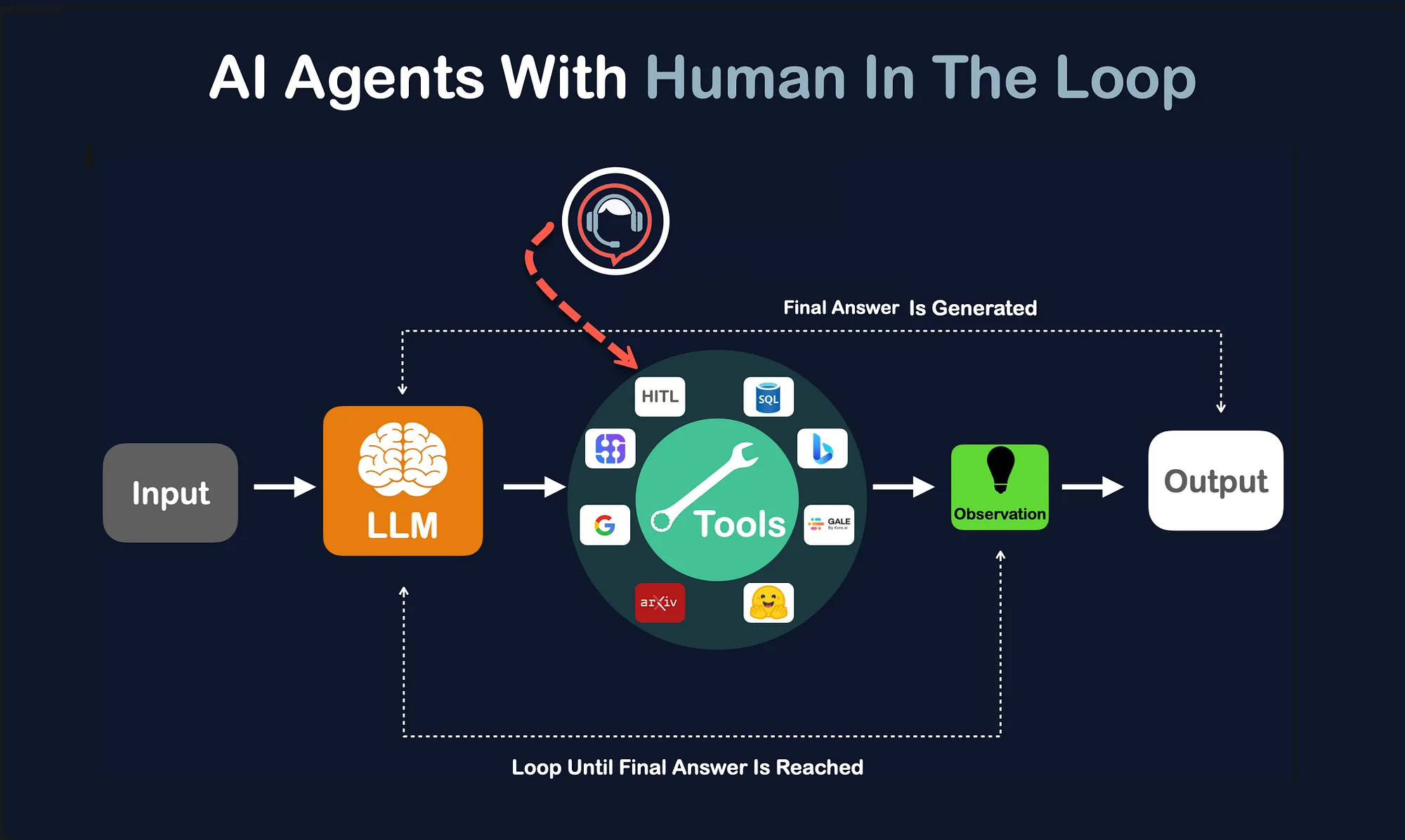
Read postWhen we talk about AI agents, it helps to think in human terms. A useful agent system needs a skeleton, hands, a mind, a brain, a library, a body, guardrails, and skin.That’s not poetry — it’s the anatomy of every serious agent framework being built today. And the leaders across Anthropic, OpenAI, Google, AWS, Microsoft, …
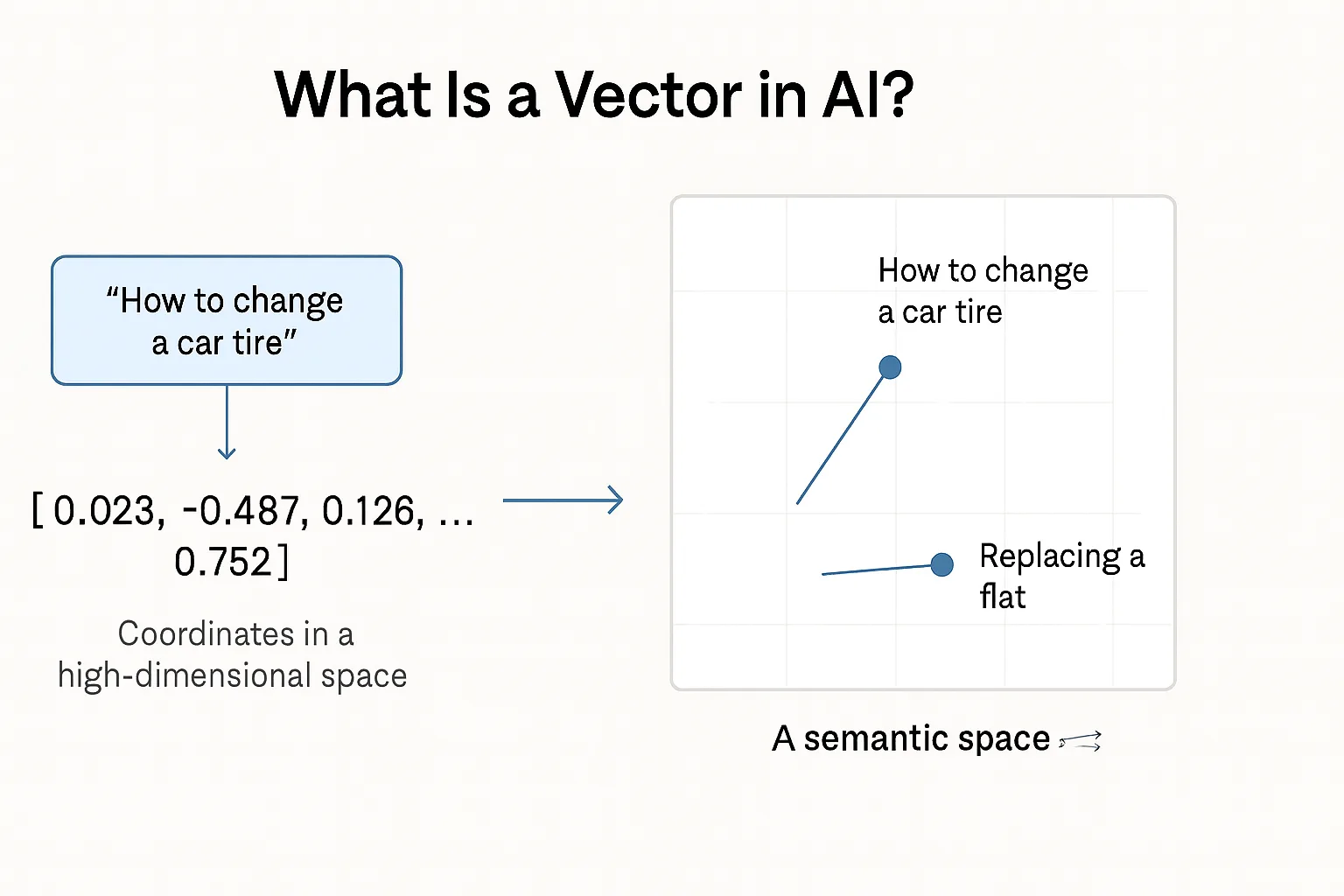
Read postHow lexical search, vectors, and contextual retrieval can help find evidence, and why local hosting does not guarantee privacy.
Read postA personal case for AI infrastructure and workforce opportunity, with evidence separated from policy ambitions.
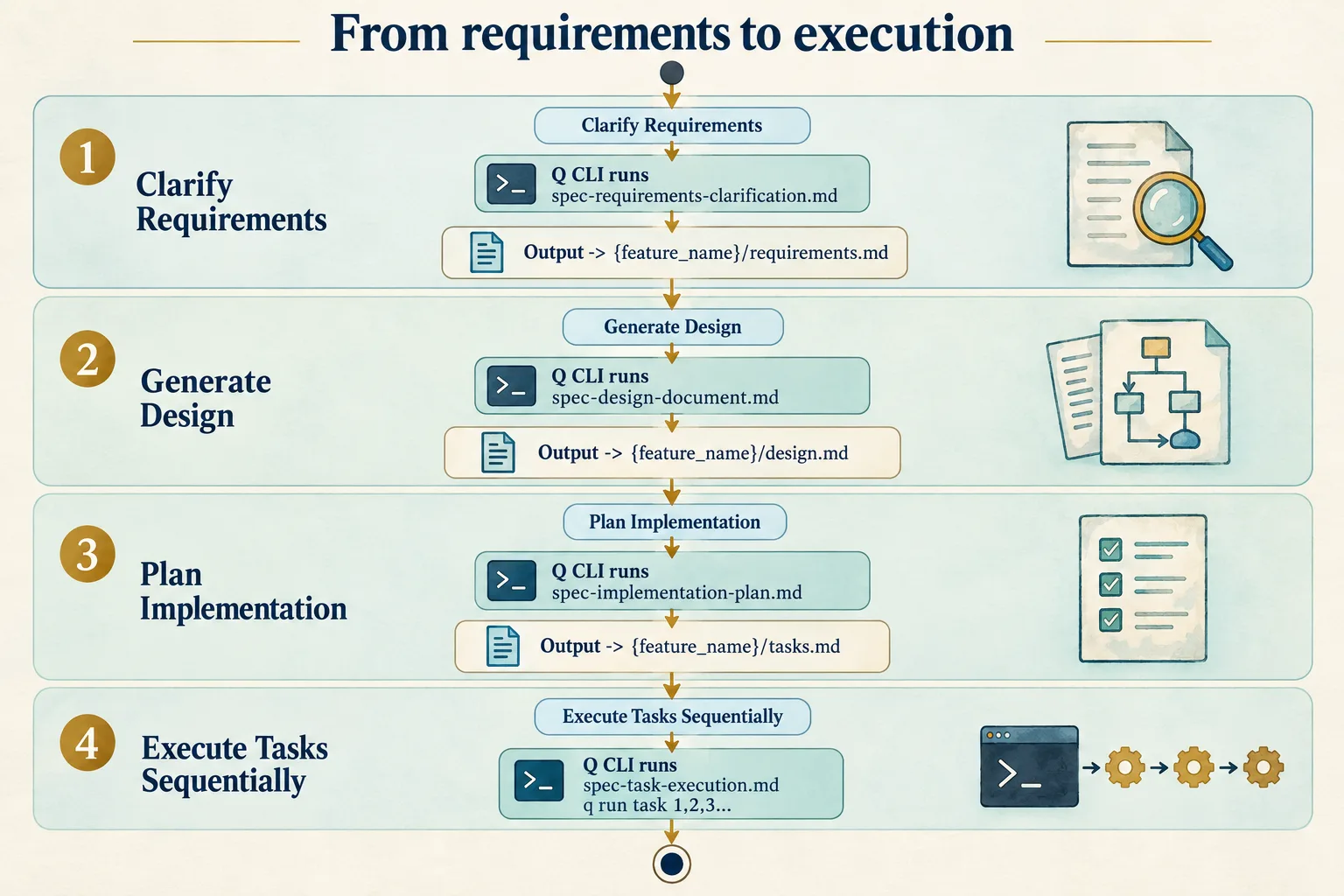
Read postThis week, I’ve been deeply focused on agentic AI—especially combining the Q Developer CLI with AWS tools. It’s been an intense stretch, pushing toward a milestone and ironing out the complexities of making agentic workflows more seamless. One thing that really stands out: agentic AI is incredibly powerful for troubleshooting. It can iterate over and …
Read postHow orchestration frameworks, model reasoning, coordination, and managed runtimes fit together.
Read postScience fiction promised us flying cars by 2025—think The Jetsons or Back to the Future, where we’d soar above the chaos. Instead, we’re still crawling through gridlock, losing hours to commutes that sap our energy and time. Even in cutting-edge cities like New York, getting around feels like a battle. But AI is rewriting the …
Read postPersonal AI product ideas, distinguishing small prototypes from speculative medical, defense, and robotics projects.
Read postThis is my breakdown of what AI tooling really feels like—part myth-busting, part field manual, and all grounded in lived experience. Spoiler: AI isn’t a magic wand. It’s a fleet of brilliant but forgetful minions. 🧩 Myth 1: “AI is a computer with a natural language interface.” False. This might be the most dangerous misconception …
Read postA speculative scenario inspired by Sam Altman’s essay, with imagined milestones and explicit dependencies.
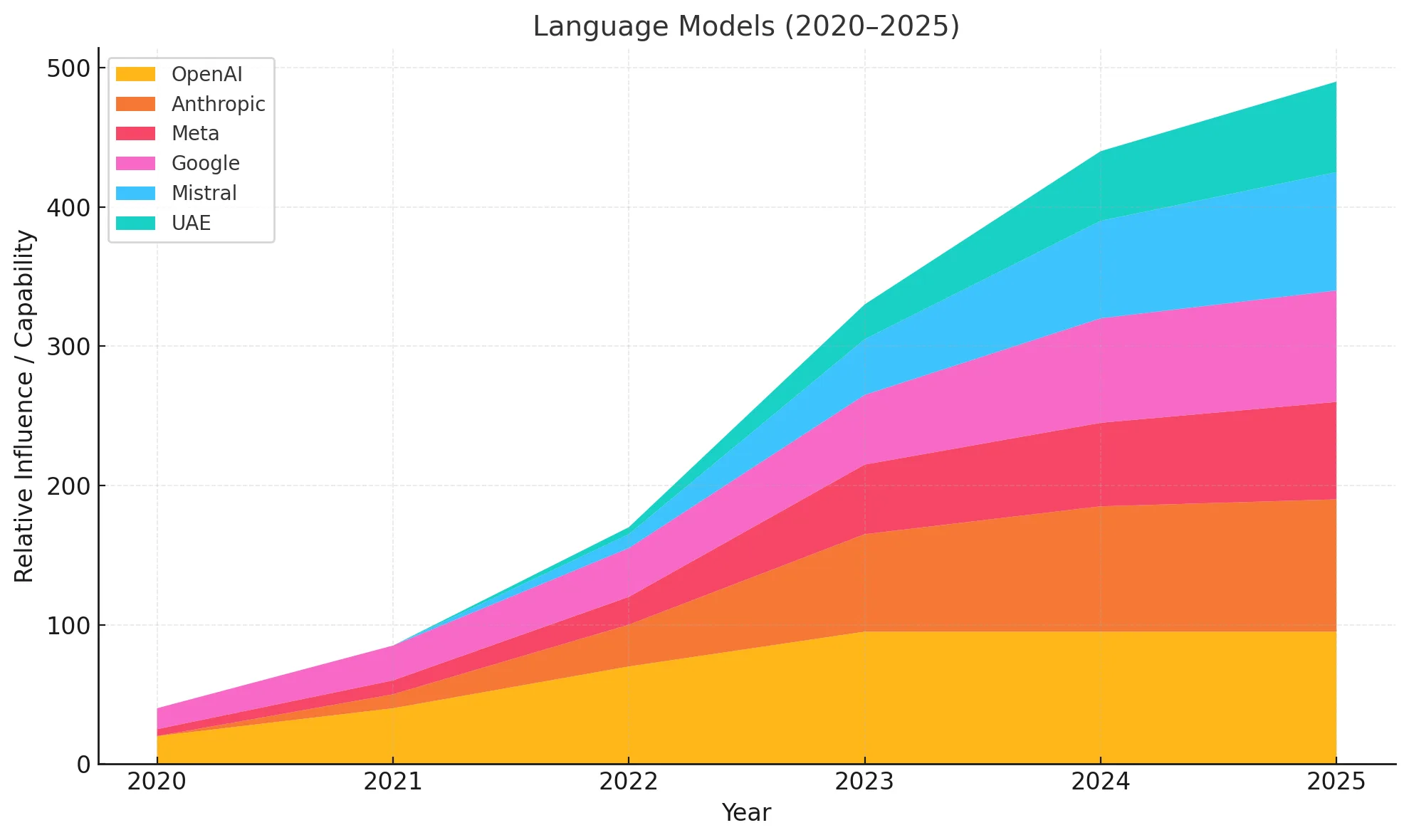
Read postThe past five years in AI have unfolded like a game of Civilization. Empires rise, expand, and occasionally get blindsided by newer, faster adversaries. In this landscape, the frontrunners are research labs and tech giants pushing the boundaries of what’s possible, while the fast-followers rapidly close the gap through scale, open-source, and execution.…
Read postThe Contrast Between AI’s Exponential Speed and My Human Pace From Human-in-the-Loop to Autonomous Agents “If there’s less and less human interaction with AI, what are we humans left doing?” Lately, I’ve been wrestling with a big question: can my human brain keep up with AI’s relentless pace? As a developer building agentic AI systems, …
Read post“I’m not afraid of AGI. I’m afraid of being the last one doing everything manually while the rest of the world accelerates with AI.” The All-In podcast episode “Al Doom vs Boom” hit a nerve. You could feel the tension in the air — Chamath’s measured warnings, Sacks’ concerns about centralization, Friedberg practically sprinting into …
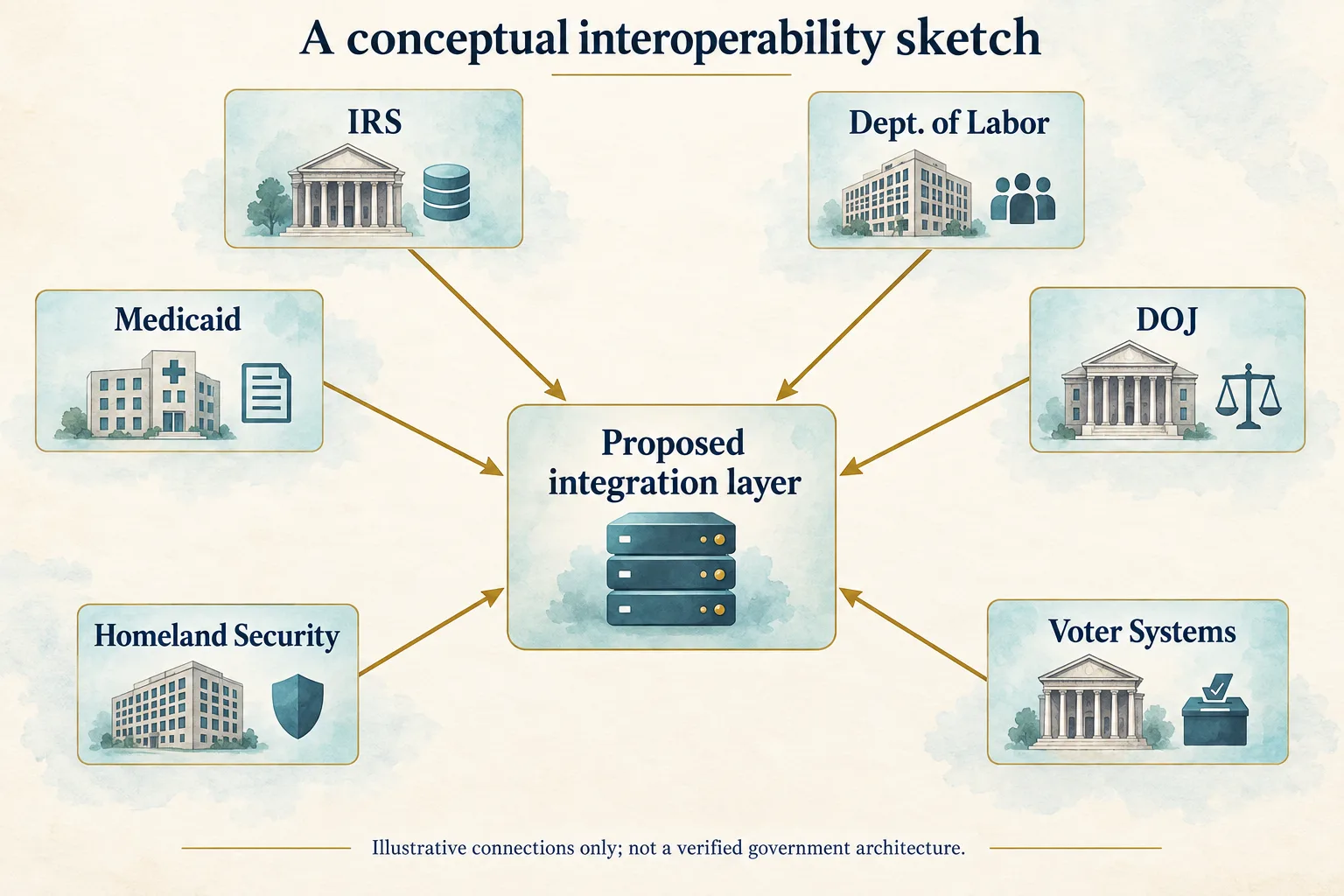
Read postA developer’s reflection on government interoperability, separating a participant’s account from a proposed architecture.
Read post1. AI Is Transforming Software—and the Way We Code This week, I’ve been struck by how much Agentic AI is changing the software development landscape. The old way of working—long product roadmaps, feature-stuffed launches, and hard-coded business logic—is fading fast. AI has accelerated timelines dramatically. What once took months now needs to be shipped in…
Read postThe lost conversation, family projects, and daily development work that prompted this journal; tool observations reflect particular sessions.
Read post